Marina Lubimova
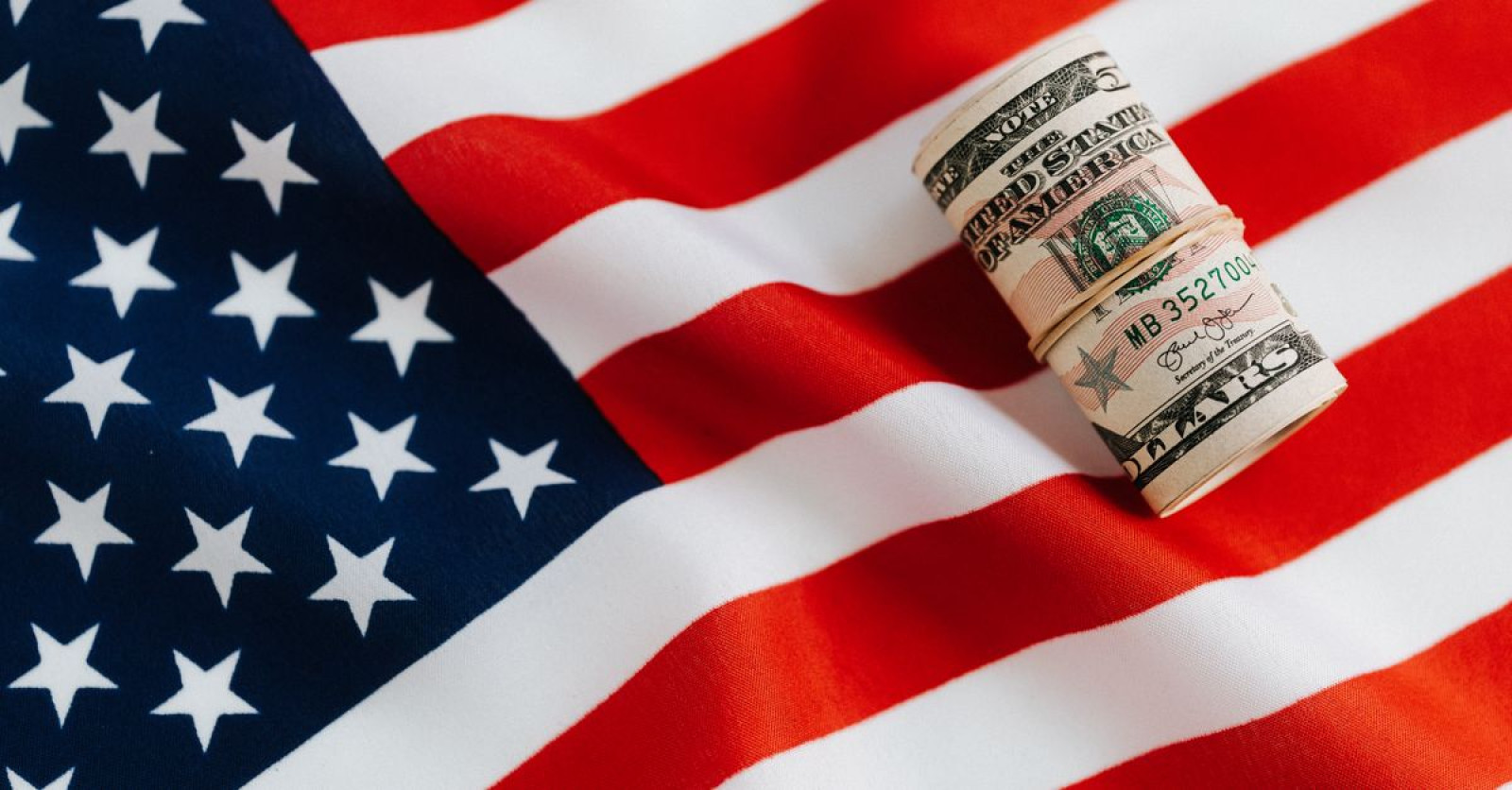
The rate is 10 percentage points below the 25% level that the U.S. had previously threatened to impose on several major South Korean exports.
The U.S. has indicated that the tariff rate on South Korea would be kept at the 15% level - the minister said.
Key figures
| Parameter | Current level | Previous/threatened level |
| Reciprocal tariff | 15% | 25% |
| Automobiles | 15% | 25% |
| Auto parts | 15% | 25% |
| Timber and lumber | 15% | 25% |
| Pharmaceuticals | Up to 15% | 25% threatened |
The 15% rate is part of the U.S.–South Korea trade framework agreed in 2025. The agreement also included $350 billion in planned South Korean investment in the U.S., consisting of:
- $150 billion for shipbuilding-related investment;
- $200 billion for other strategic investments.
15% vs. 25%
For a South Korean vehicle with a customs value of $40,000:
| Tariff rate | Tariff cost |
| 15% | $6,000 |
| 25% | $10,000 |
| Difference | $4,000 |
The actual cost depends on customs classification, valuation and applicable exemptions.
What changed?
The U.S. and South Korea previously agreed to cap tariffs on major Korean exports at 15%. Washington later threatened to raise tariffs on automobiles, lumber, pharmaceuticals and other Korean goods to 25%.
The latest statement from South Korea’s industry minister indicates that Washington intends to keep the 15% rate rather than move to 25%.
For South Korean exporters, the key change is therefore not a new tariff cut but the preservation of the existing 15% tariff framework.
 Marina Lubimova