Alex Dudov
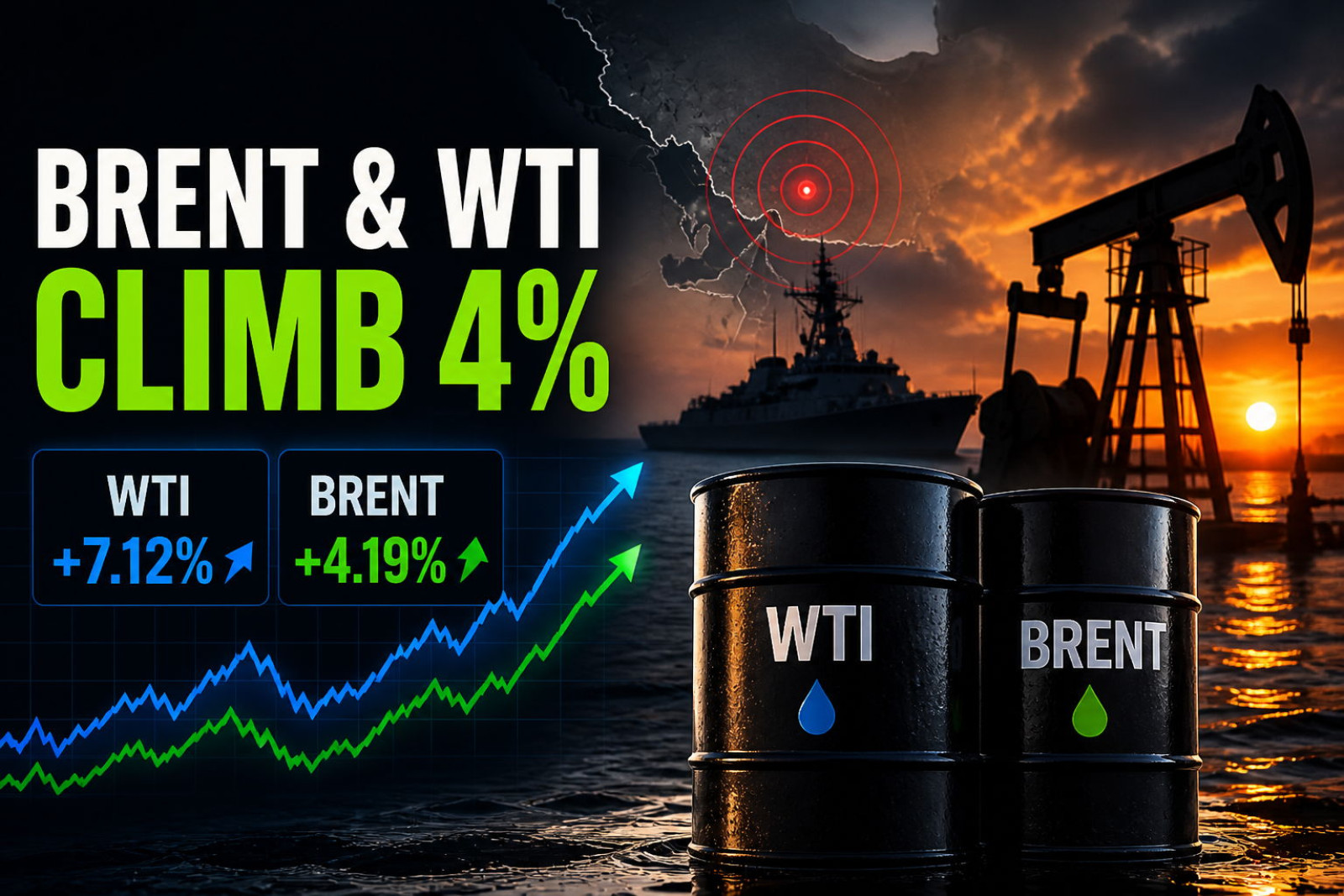
Brent and WTI crude futures surged following reports that Iran attacked a U.S. naval vessel in the Gulf, as reported by Reuters. The reaction was immediate, with oil markets moving within minutes as traders priced in the possibility of escalation.
According to reports from MarketWatch, the headline alone was enough to inject a geopolitical risk premium into energy markets, even as details remain limited.
Market reaction in numbers
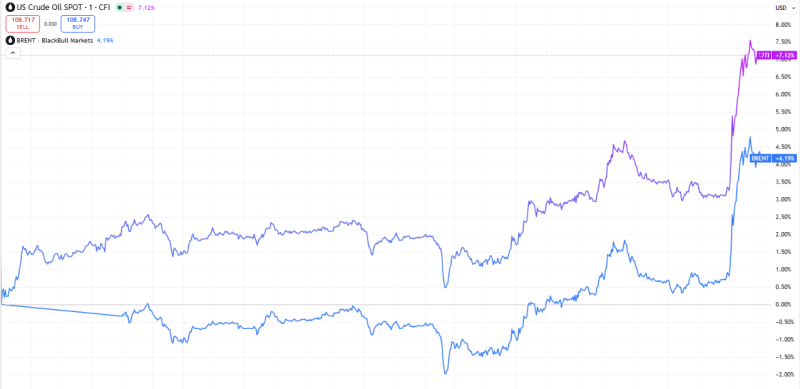
Based on market data, the move was notably uneven:
- WTI crude jumped +7.12%, trading near $108.75
- Brent crude gained +4.19%, confirming a broader global reaction
Such a sharp intraday move, especially above 5%, is typically associated with geopolitical shocks or sudden supply risk repricing rather than normal market fluctuations.
Why WTI moved more than Brent
While both benchmarks rallied, WTI significantly outperformed Brent, highlighting differences in market structure rather than fundamentals alone.
- WTI reacts faster to short-term news and speculative positioning
- Brent reflects global seaborne supply and tends to move more gradually
Key takeaway: The +7% spike in WTI vs +4% in Brent points to aggressive short-term positioning in U.S. markets, while Brent’s move reflects a broader global repricing of geopolitical risk.
The real reason behind the move
The rally is not about confirmed disruption - it’s about anticipated risk to oil flows. The region is directly tied to the Strait of Hormuz, one of the most critical arteries for global energy supply.
When tensions rise in this area, markets immediately price in a chain reaction:
- higher tanker insurance costs
- increased shipping risk and delays
- potential rerouting or reduced traffic
Even without an actual supply cut, this creates a risk premium embedded in prices.
Importantly, no confirmed disruption to physical supply has been reported yet, meaning the rally is driven by expectations rather than facts - a key signal for how quickly prices could reverse.
Bottom line
The surge in oil prices is a textbook example of geopolitical risk repricing. With WTI jumping over 7% and Brent rising more than 4%, markets are reacting to potential disruption rather than confirmed supply shocks.
That distinction matters - because it means the rally can either extend rapidly if tensions escalate, or unwind just as quickly if the risk fades.
 Alex Dudov