Artem Voloskovets
The STOXX Europe oil and gas sector dropped around 2.2% as traders reacted to a sudden decline in crude prices following reports that Washington and Tehran are nearing a framework deal. The proposed agreement reportedly includes steps toward reducing military tensions and restoring stability around key shipping routes, including the Strait of Hormuz.
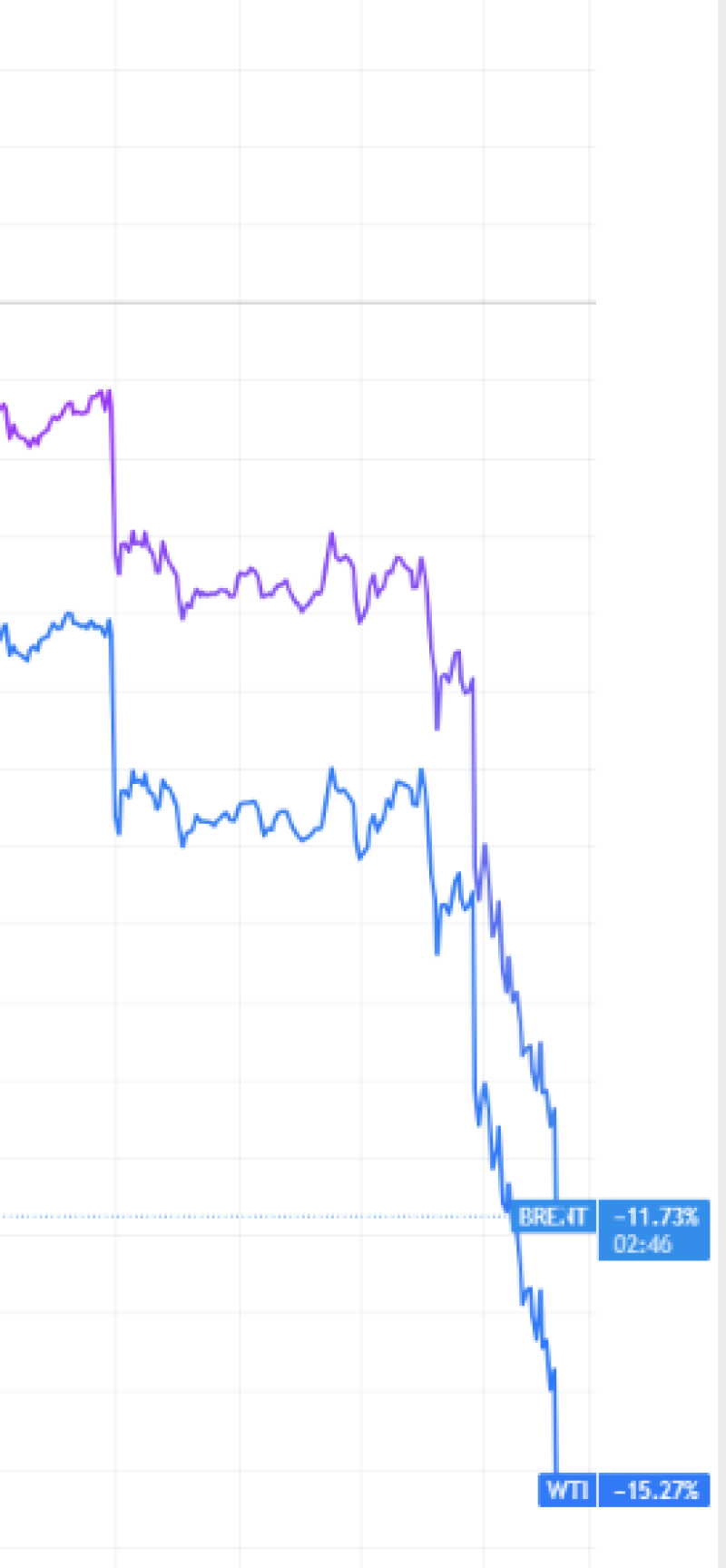
The market reaction was immediate. Brent crude and West Texas Intermediate both posted steep declines, with oil prices suffering some of their sharpest drops in weeks as fears of prolonged supply disruptions began to ease. Traders rapidly unwound positions tied to geopolitical risk as expectations for a potential de-escalation scenario grew stronger.
Why Energy Stocks Fell
Energy companies tend to benefit when oil prices rise because higher crude prices usually translate into stronger revenues and profit margins for producers, refiners, and exporters. Over recent months, many European oil and gas stocks rallied sharply as geopolitical tensions in the Middle East pushed crude prices higher and increased concerns about global supply shortages.
However, markets move on expectations rather than current conditions alone.
The latest reports suggesting progress toward a US-Iran agreement triggered a rapid reassessment of the “war premium” embedded in oil prices. Investors suddenly began pricing in the possibility that shipping risks in the Strait of Hormuz could decline, Iranian oil exports may eventually increase, and broader energy markets could stabilize faster than previously expected.
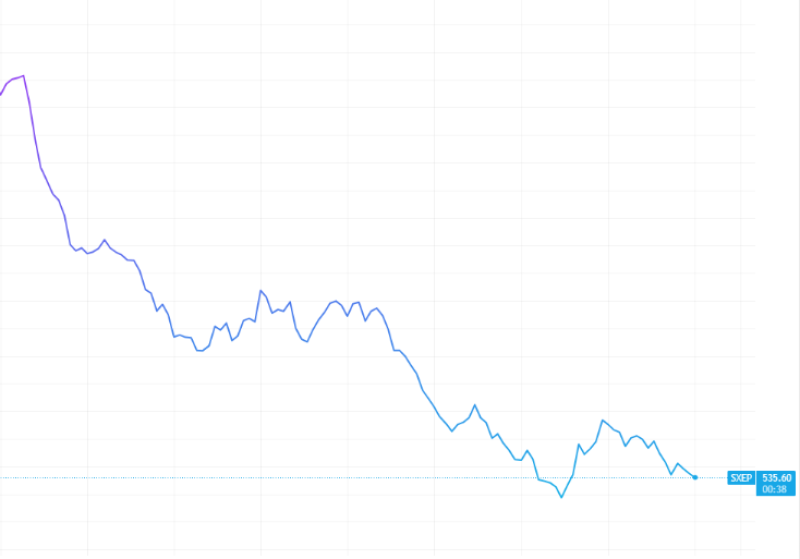
As a result, traders rushed to lock in profits from recent gains in energy shares. The decline across the European oil and gas sector reflected expectations that easing geopolitical tensions could pressure crude prices and reduce near-term earnings momentum for energy producers.
Why Oil Markets React So Quickly
The Strait of Hormuz remains one of the world’s most critical energy chokepoints. Roughly one-fifth of global oil flows move through the narrow shipping corridor connecting Gulf producers with international markets.
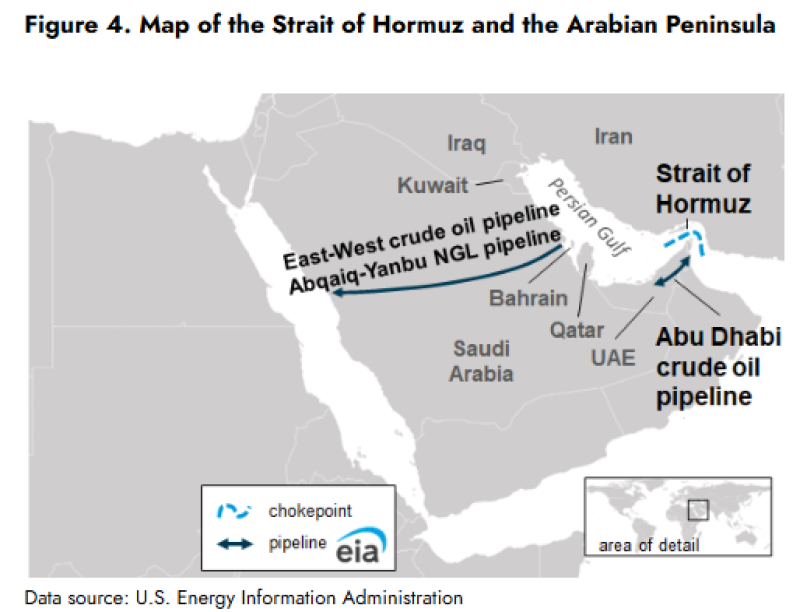
Because of its strategic importance, even small changes in geopolitical tensions surrounding the region can have an outsized impact on global oil prices. Since the conflict intensified earlier this year, markets had priced in a significant geopolitical risk premium due to fears of tanker disruptions, sanctions escalation, and interruptions to Gulf energy exports.
The latest diplomatic reports were enough to rapidly reverse part of those fears.
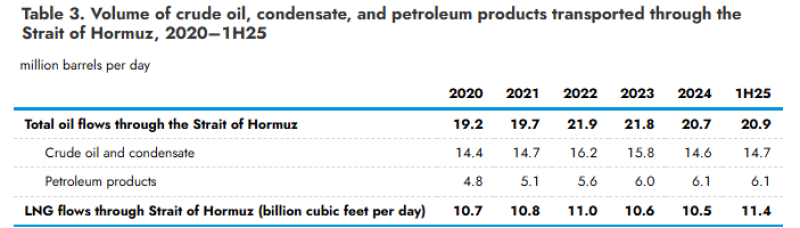
According to EIA data, more than 20 million barrels of oil per day move through the Strait of Hormuz. Any disruption to those flows can affect global supply expectations, shipping costs, inflation forecasts, and broader financial markets.
Broader Market Impact
The decline in oil prices also boosted broader European and global equity markets.
Lower crude prices generally improve the outlook for inflation, transportation costs, manufacturing expenses, and consumer spending. Investors responded by rotating into economically sensitive sectors such as banks, industrials, and consumer stocks, while bond markets also rallied as expectations for inflation pressures eased.
Meanwhile, safe-haven demand weakened as traders reacted positively to signs that diplomatic negotiations could reduce the risk of a prolonged regional conflict.
The Risk Premium Hasn’t Fully Disappeared
Despite the optimism, markets remain highly sensitive to developments surrounding the proposed agreement.
No final deal has been confirmed, and negotiations could still face setbacks in the coming days. Traders are closely monitoring whether Iran formally responds to the reported framework proposal and whether concrete steps toward reopening or stabilizing regional shipping routes emerge.
For now, however, the sharp reaction across oil and energy markets highlights how heavily global asset prices remain tied to geopolitical risk and Middle East supply expectations.
 Artem Voloskovets