Artem Voloskovets
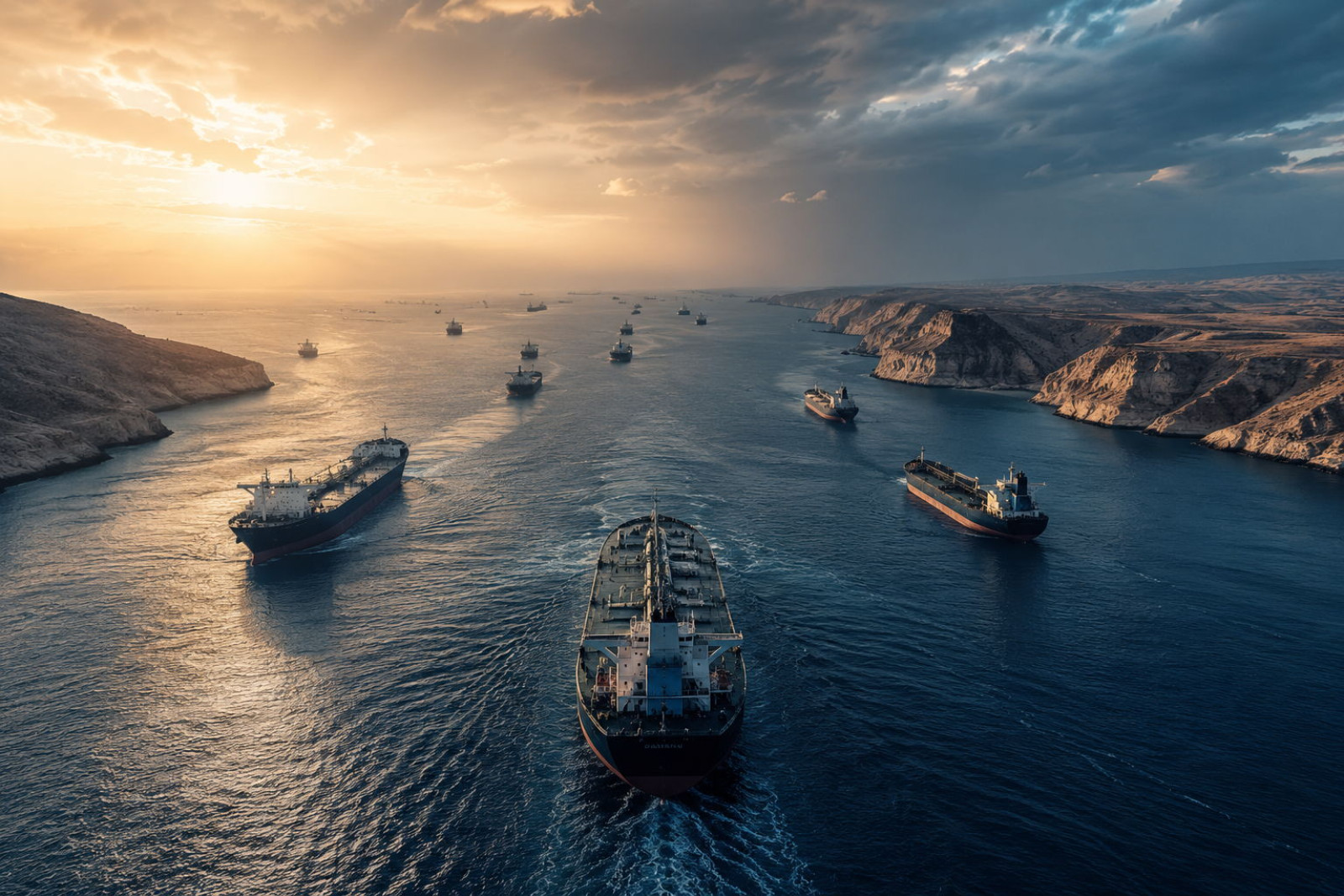
Markets largely interpreted these developments as evidence that maritime trade is returning to normal after months of disruption linked to tensions between the United States and Iran. Yet the most revealing numbers point in a different direction.
Moving Cargo, Avoiding Exposure
Between June 10 and June 14, maritime monitoring platforms recorded 29 verified crossings through Hormuz involving crude tankers, LPG carriers, chemical tankers, methanol vessels and general cargo ships.
On the surface, that looks like a recovery. The underlying traffic patterns do not.
Of those 29 crossings, 23 moved west-to-east, while only six traveled in the opposite direction. More strikingly, 18 crossings, roughly 62% of the total, were classified as operating on Dark or Unknown routes, limiting visibility into vessel movements.
- Dark/Unknown routes: 18
- Visible routes: 11
- Dark share: 62%
Commercial activity is returning. Transparency is not.
The Cost of Recent Months
That hesitation becomes easier to understand when viewed against the security backdrop of the past three months.
From March through early June, at least 44 commercial vessels were involved in confirmed attacks, seizures or hostile incidents across the Gulf region. Tankers, container ships, bulk carriers and offshore units were all affected.
The pace of incidents slowed sharply in June, with the last confirmed attack recorded on June 10.
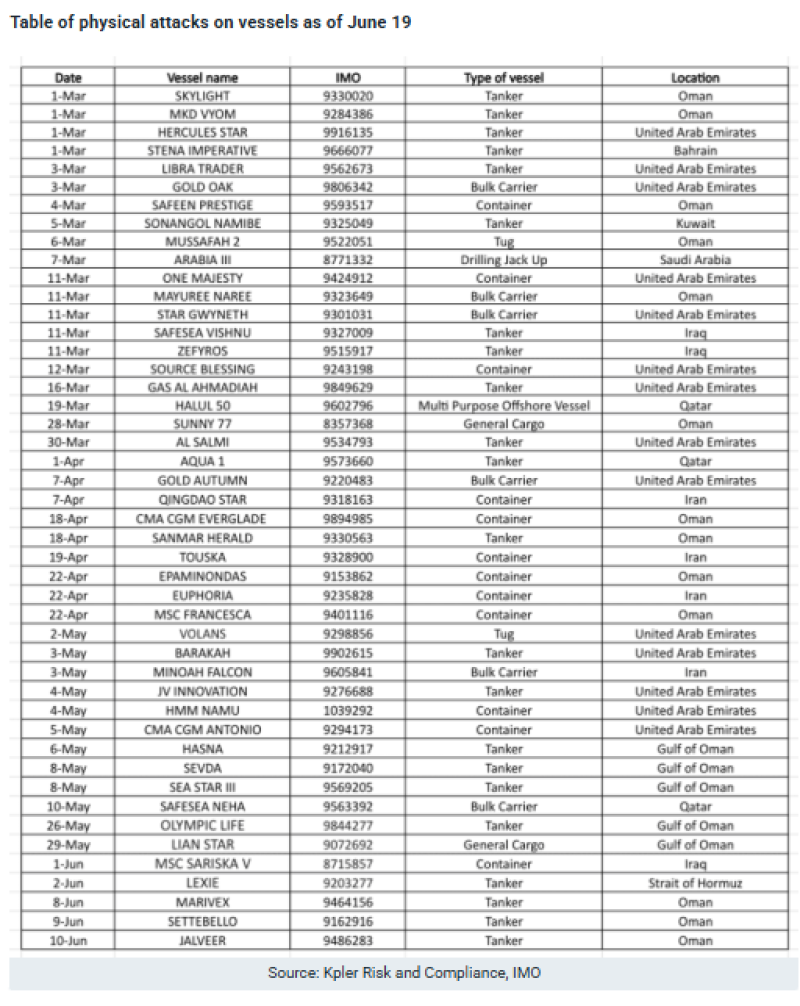
Chart data:
- March: 20 incidents
- April: 13 incidents
- May: 9 incidents
- June: 2 incidents
The security environment has improved faster than industry confidence.
Shipping companies make decisions based on probabilities, not headlines. A route that was considered high-risk for months does not immediately become low-risk because attacks stop for several weeks.
What Operators Are Pricing In
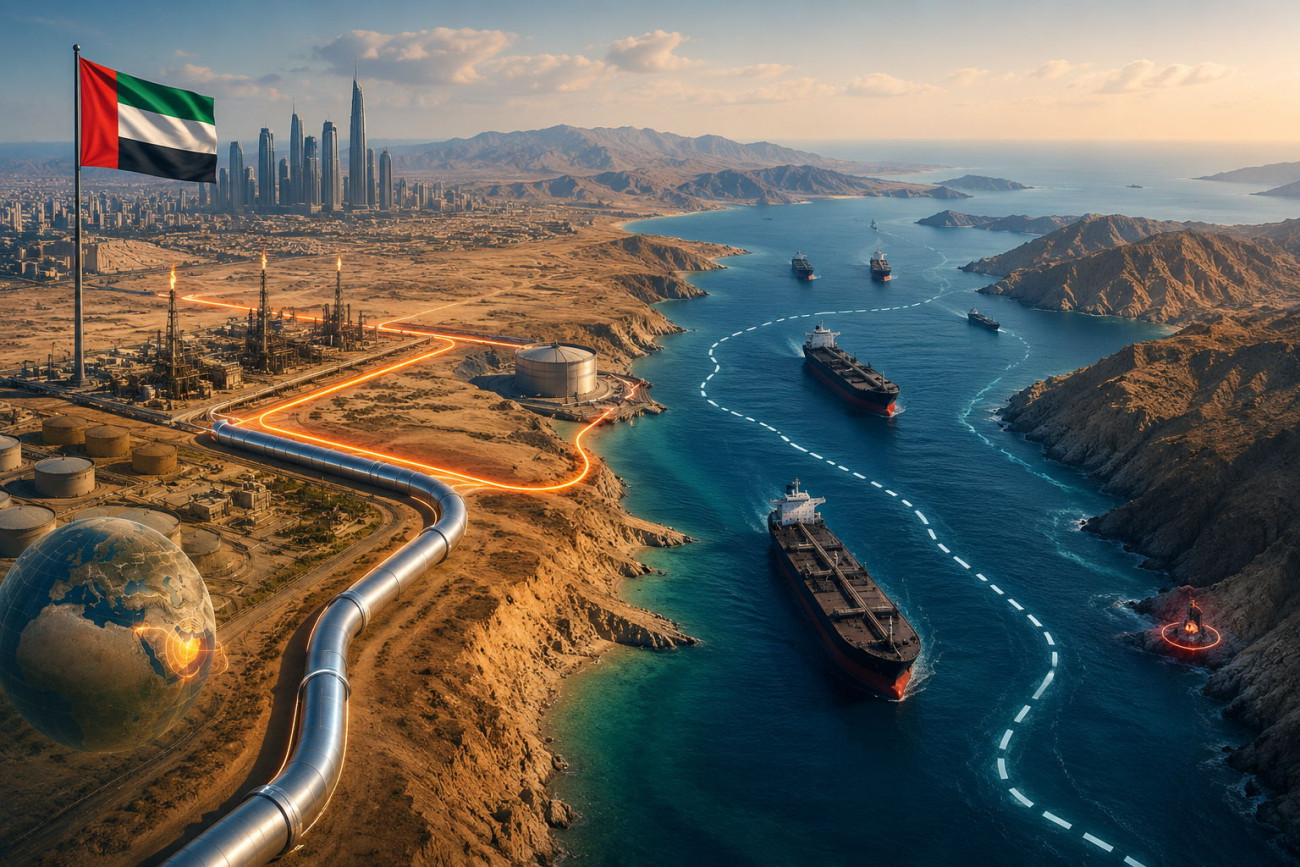
The U.S.-Iran memorandum reduced fears of a direct disruption to navigation through Hormuz. That has helped traffic recover and eased some pressure on energy markets.
For shipowners, however, the calculation extends beyond military risk.
Insurance costs remain elevated. Sanctions exposure remains difficult to assess. Vessel tracking behavior suggests many operators still prefer discretion over visibility. Even with no recent attacks, uncertainty surrounding enforcement, compliance and regional stability continues to influence routing decisions.
The presence of sanctioned vessels among recent crossings reinforces the complexity of the operating environment.
Why Energy Markets Should Care
The Strait of Hormuz remains the most important energy chokepoint in the world, carrying a substantial share of globally traded crude oil, petroleum products and liquefied natural gas.
As long as cargo continues to move, markets tend to assume the system is functioning.
The latest shipping data suggests a more nuanced reality. Traffic volumes are improving, but vessel behavior remains defensive. Operators are still acting as if disruption remains possible, even while crossing the waterway in greater numbers.
That distinction matters because confidence often determines future capacity long before physical constraints appear.
The Number Worth Watching
Most market participants will focus on vessel counts. The more important indicator may be route visibility. If crossings continue to rise while the share of Dark and Unknown routes falls, it would signal that operators are becoming comfortable with the region's security outlook.
If traffic grows but hidden routing remains dominant, the recovery will look less like normalization and more like adaptation. The Strait of Hormuz is functioning again. The shipping industry is still behaving as though it has reasons to be careful.
 Artem Voloskovets