Marina Lubimova
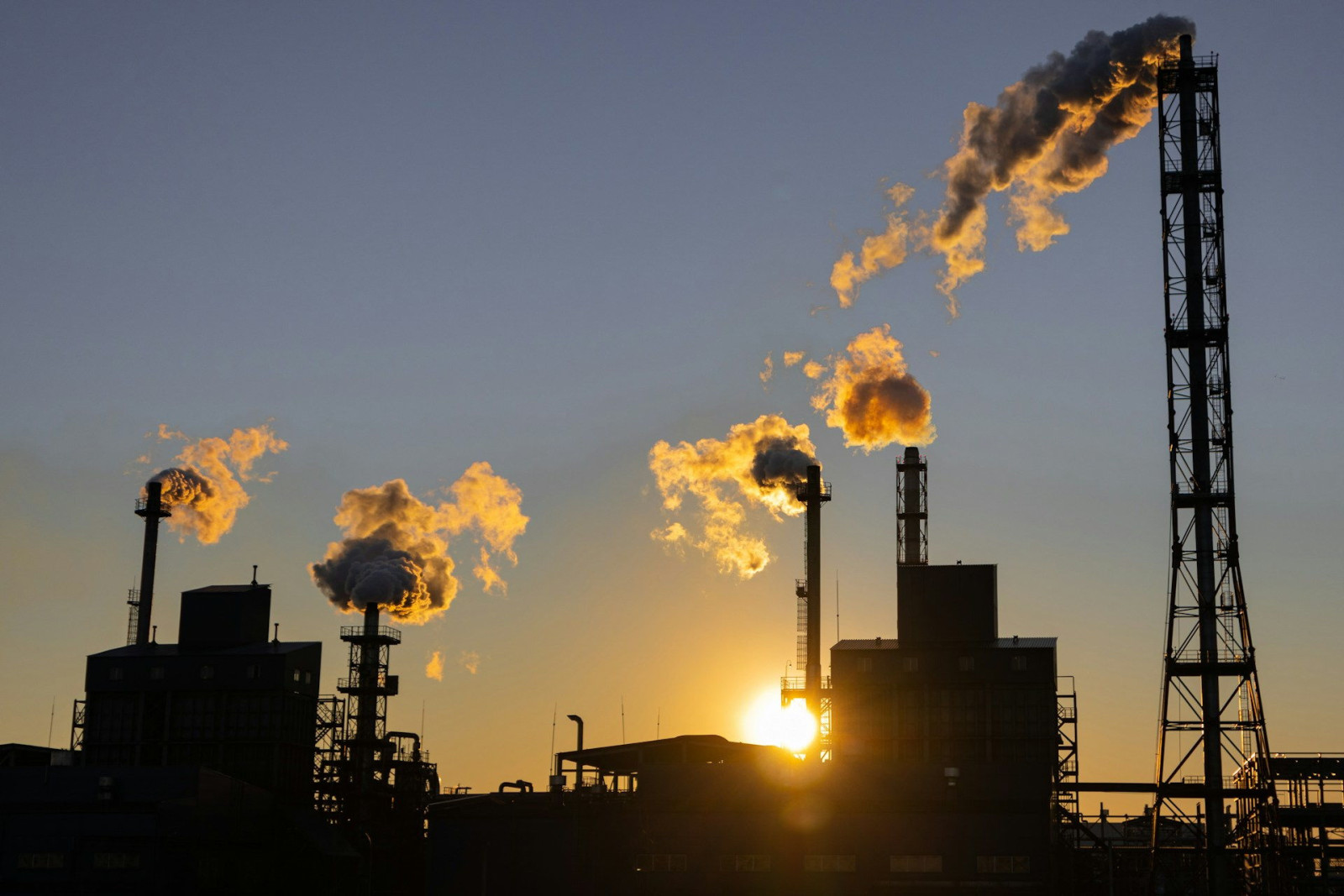
The Indonesian state provides approximately 66 percent of the nickel that workers extract from mines across the globe - this high level of production means that if Indonesian facilities decrease the amount of metal they process, the change is large enough to impact the total amount of the resource available to international markets.
Sulfur and Ore Costs Squeeze HPAL Margins
The High Pressure Acid Leaching process changes laterite ore into mixed hydroxide precipitate - this substance is a necessary raw material that manufacturers use to produce nickel with the chemical purity required for batteries.
The industry creates one tonne of nickel through High Pressure Acid Leaching - using approximately 10 - 11 tonnes of sulfur. The cost for sulfur that suppliers transport to Indonesia increased from approximately $500 for each tonne to an amount greater than $800 for each tonne. Some buyers pay prices that are close to $1 000 for each tonne during specific sales. It is now likely that sulfur accounts for 30 % to 35 % of the total money that managers spend to run High Pressure Acid Leaching facilities.
The cost of ore is higher because Indonesia limits the amount that mining companies can extract. In this market companies that operate smelters bid against each other for the supply of raw materials within the country. The government changed the mathematical method used to calculate ore prices. Because of those new rules, the amount of money required to produce Mixed Hydroxide Precipitate increases by $2 400 to $2 600 for every metric ton of nickel. There are higher financial burdens on refineries because they must pay more for the base materials.
Indonesian HPAL Output Is Already Falling
The manufacturers produced approximately 20 % less High Pressure Acid Leach in May compared to the previous year. If the industrial output decreases by nearly 30 %, the reduction in volume will become more significant. The movement of Mixed Hydroxide Precipitate into the manufacturing networks for batteries is slower because of those changes.
The market cost for nickel changed quickly because of the mineral resource regulations in Indonesia. As the government in Jakarta stated that the extraction limits for ore in 2026 are between 260 million and 270 million tonnes, the London Metal Exchange price for nickel increased. It was approximately $14 500 per tonne during December 2025. By January 2026, the cost is between $18 000 and $19 000 per tonne.
A Smaller Nickel Surplus
The Indonesian government increases the production of nickel at a high rate. The global supply of nickel exceeds demand because of this increase - this situation causes the price of nickel to drop - but the cost to extract nickel ore is rising. The sulfur used in processing is expensive. To manage the industry, the government implements strict mining policies. And those factors lower the profit that companies earn from expanding production.
The price of nickel does not only increase when the amount of the metal is less than what manufacturers require. By reducing the amount of nickel that Indonesia is expected to produce, the total extra amount of the metal across the globe is smaller. It is then more difficult for manufacturers to obtain the specific nickel chemicals that are used to build batteries.
If producers implement the proposed 30% HPAL cuts, the supply pressure that kept nickel prices low could begin to reverse.
 Marina Lubimova