Artem Voloskovets
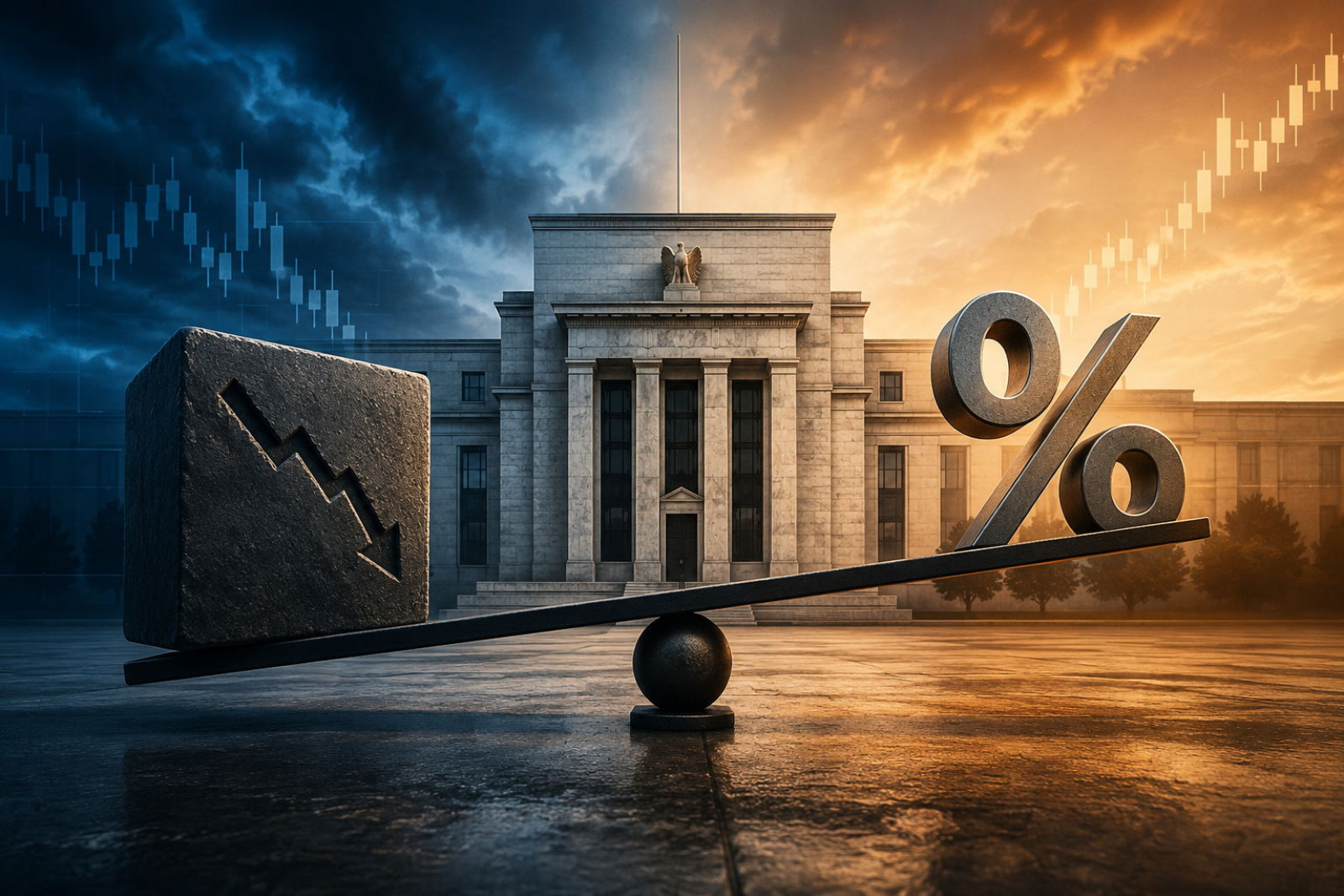
The Federal Reserve left interest rates unchanged at Kevin Warsh's first meeting as Chair. The decision itself was largely expected. What stood out was the updated economic outlook.
Fed officials lowered their 2026 GDP forecast from 2.4% to 2.2%, while projecting that inflation could remain above target for several more years. The central bank's preferred inflation gauge, PCE, is now expected to return to 2% only in 2028.
At the same time, nine of eighteen policymakers see the potential for another rate hike in 2026. Taken together, the projections point to a policy outlook that is more restrictive than many investors anticipated.
Growth Is No Longer the Decisive Variable
Markets have long treated slowing growth as a precursor to easier monetary policy. The latest forecasts suggest that relationship has weakened.
A lower GDP outlook would normally strengthen the case for future rate cuts. Instead, Fed officials continue to emphasize inflation risks, signaling that weaker growth alone may not be sufficient to justify a policy pivot.
The implication is significant: economic momentum can cool without automatically producing a more accommodative Fed.
The Inflation Problem Has Not Disappeared
The most striking element of the projections is not the growth downgrade but the inflation timeline.
Returning PCE inflation to the Fed's 2% target is now expected to take several more years. That forecast suggests policymakers see underlying price pressures as more persistent than previously assumed.
If inflation remains elevated despite slower growth, the central bank may have limited room to ease financial conditions. That possibility helps explain why discussions of additional tightening remain present in the Fed's projections despite a softer economic outlook.
A Different Market Environment
Much of the post-2008 market cycle was shaped by a simple dynamic: weaker growth increased the likelihood of lower rates. The Fed's latest outlook points toward a different regime.
Instead of growth and rates moving in opposite directions, markets may face a period in which economic activity slows while policy remains restrictive. Such an environment tends to keep financing costs elevated, limit liquidity expansion, and place greater pressure on earnings growth.
For asset prices, that is a materially different backdrop than investors became accustomed to over the previous decade.
What the Projections Are Really Saying
The forecasts do not signal that another rate hike is imminent. They do suggest that inflation remains the dominant factor in policy decisions.
The message from the latest meeting is that slowing growth, by itself, may no longer be enough to bring lower interest rates. Unless inflation moves decisively toward target, the Federal Reserve appears prepared to maintain a restrictive stance for longer than markets had expected.
That shift, not the decision to leave rates unchanged, is the most important takeaway from the meeting.
 Artem Voloskovets