Artem Voloskovets
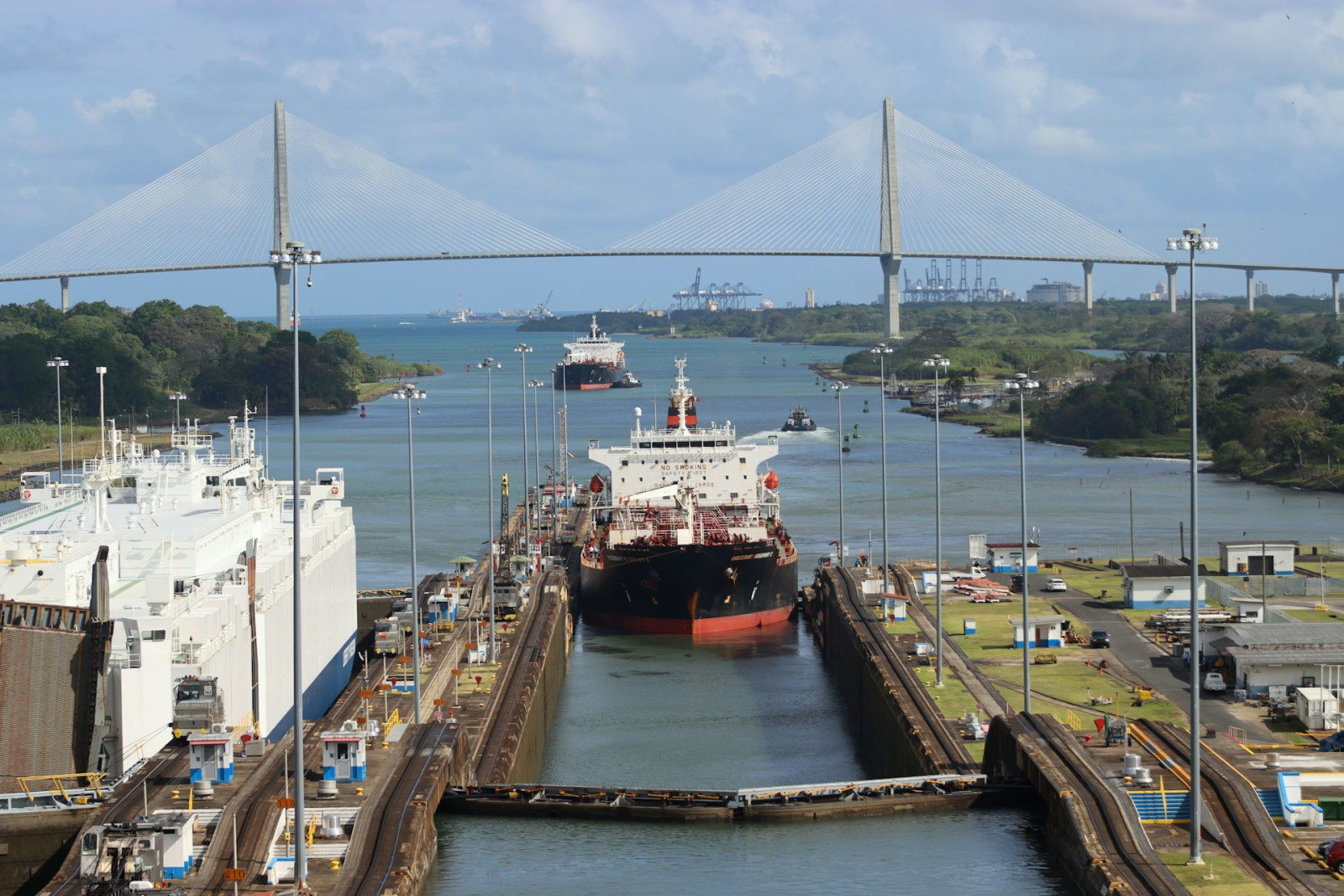
The April auction produced the highest price recorded for an LPG transit through the canal. Based on a standard 44,000-metric-ton cargo, the payment alone amounted to roughly $90 per metric ton.
The bid was not a new canal toll. Wanhua was paying to remove uncertainty from a high-value commodity trade at a time when traffic through Panama was rising sharply.
For a vessel carrying tens of thousands of tons of LPG, several days can be worth millions of dollars.
Traffic Jumped 62% in a Week
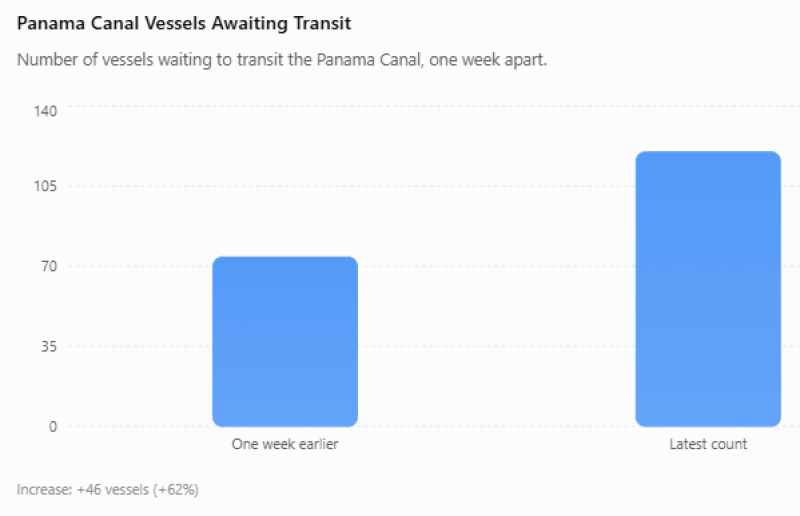
When the Gas Virgo crossed the Panama Canal on April 15, 120 vessels were waiting across the Panamax and Neopanamax locks. A week earlier, the figure was 74.
That was a 62% increase in seven days.
Unlike the 2023–2024 disruption, the canal was not dealing with a severe drought-driven capacity shortage. Panama Canal Authority data for March showed an average of 37.03 oceangoing transits per day, with a peak of 41. Average in-transit time was about 10.7 hours.
The pressure instead came from changing energy trade flows. Disruption around the Strait of Hormuz increased the risks associated with Middle Eastern energy shipments. Asian buyers sought alternative supplies, including U.S. LPG, sending more Gulf Coast cargoes toward the Pacific.
For U.S.-to-Asia shipments, Panama is one of the shortest routes. More LPG cargoes therefore meant more competition for transit slots.
A $140,000 Auction Became a $4 Million Auction
The $4 million payment was an auction bid rather than a standard Panama Canal tariff. Operators can reserve transit slots in advance, while additional capacity can be allocated through auctions. When several vessels compete for limited slots, the highest bidder gets priority.
Before the recent increase in demand, average auction prices were roughly $135,000–$140,000. They later climbed to around $385,000, while individual bids exceeded $1 million. Wanhua paid $4 million.
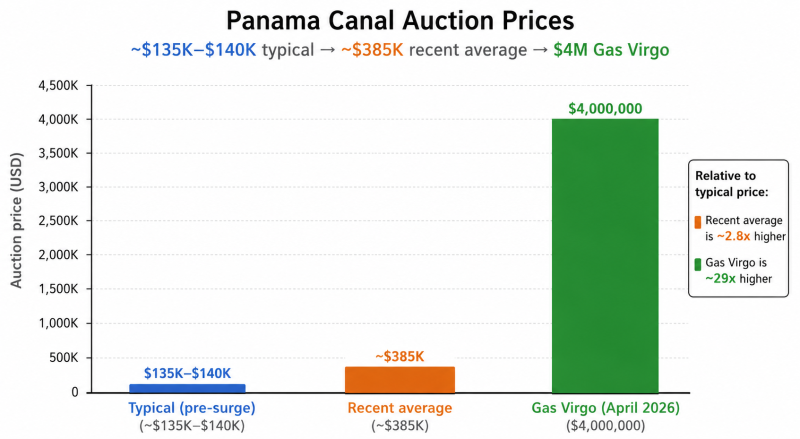
The Gas Virgo bid was almost 29 times the upper end of the previous typical range. The Panama Canal Authority said unusually high auction prices reflected temporary market conditions rather than a change in its pricing structure. Freight rates, bunker costs, vessel availability and the commercial urgency of individual cargoes all affect what operators are willing to bid.
A Stationary VLGC Still Burns Money
Waiting outside the canal does not eliminate the cost of operating a ship. Charter expenses continue. Delivery schedules move. The vessel remains tied to one cargo instead of becoming available for another voyage. Commodity prices can also change before the shipment reaches its destination.
That matters particularly for LPG. U.S. Gulf Coast LPG can be profitable in Asia when the price difference between the two markets exceeds transportation and other trading costs. A VLGC allows traders to exploit that difference at scale.
But the economics deteriorate as the voyage becomes longer or less predictable. A Panama Canal delay therefore affects more than the ship’s daily operating bill. It can reduce the value of the commodity trade itself. Wanhua’s $4 million bid effectively placed a price on removing that uncertainty.
$90 Per Ton Changes the Calculation
The size of the cargo puts the auction payment into perspective. OPIS estimated that the $4 million bid represented approximately $90 per metric ton for a standard 44,000-ton LPG cargo. That is a significant addition to transportation costs, but LPG trades are also exposed to large regional price differences.
A relatively small change in the U.S.-Asia spread multiplied across 44,000 tons can move the economics of a shipment by millions of dollars. The choice was therefore not simply between paying $4 million and waiting for free. Waiting could mean additional charter expenses, a delayed delivery, fewer voyages for the vessel and exposure to changing LPG prices. The auction converted those uncertain future costs into one known upfront expense.
Panama Is Becoming an LPG Corridor
The pressure on transit slots reflects the growing importance of LPG to the canal. More than 95% of U.S. LPG exports bound for Asia had returned to the Panama route after traffic normalized following the 2023–2024 drought disruption.
Panama is already planning infrastructure around those flows. The Panama Canal Authority has been developing plans for an LPG pipeline capable of moving as much as 2 million barrels per day across the country. Estimated investment ranges from $4 billion to $8 billion, with potential annual revenue of $1 billion to $1.2 billion.
Instead of sending every LPG carrier through the locks, cargo could be unloaded on one coast, transported through the pipeline and loaded onto another vessel on the other side. That would free canal capacity while expanding Panama’s role in U.S.-Asia energy trade.
The Previous Record Came During the Drought
The $4 million bid narrowly exceeded the previous LPG auction record of $3.975 million set in November 2023. The circumstances were different.
In 2023, severe drought reduced water availability and forced Panama to restrict daily transits. Fewer available slots pushed vessels into longer queues and drove auction prices higher.
The 2026 spike was driven primarily by demand. During the first half of fiscal 2026, the canal handled 6,288 oceangoing vessel transits, 3.7% more than a year earlier. Daily traffic averaged 34 vessels in January and 37 in March, with peak days exceeding 40.
Two different disruptions therefore produced almost identical prices. In 2023, operators competed for capacity that had disappeared. In 2026, they competed because more ships wanted the available capacity at the same time. The auction price captured both pressures.
When a Day Becomes a Tradable Asset
The Panama Canal slot was expensive because the cargo behind it was expensive to delay. A VLGC carries tens of thousands of tons of LPG. Its economics depend on commodity spreads, charter rates, fuel costs, delivery schedules and how quickly the vessel can begin its next voyage.
Normally, securing additional Panama Canal capacity through an auction might cost around $140,000. Under the recent increase in traffic, the average climbed to roughly $385,000.
Wanhua paid $4 million. The difference was the market value of certainty at a moment when shipping capacity, commodity prices and geopolitical risk were moving at the same time. Getting through Panama was worth almost 29 times the normal auction price. Waiting was the risk Wanhua decided not to take.
 Artem Voloskovets