Marina Lubimova
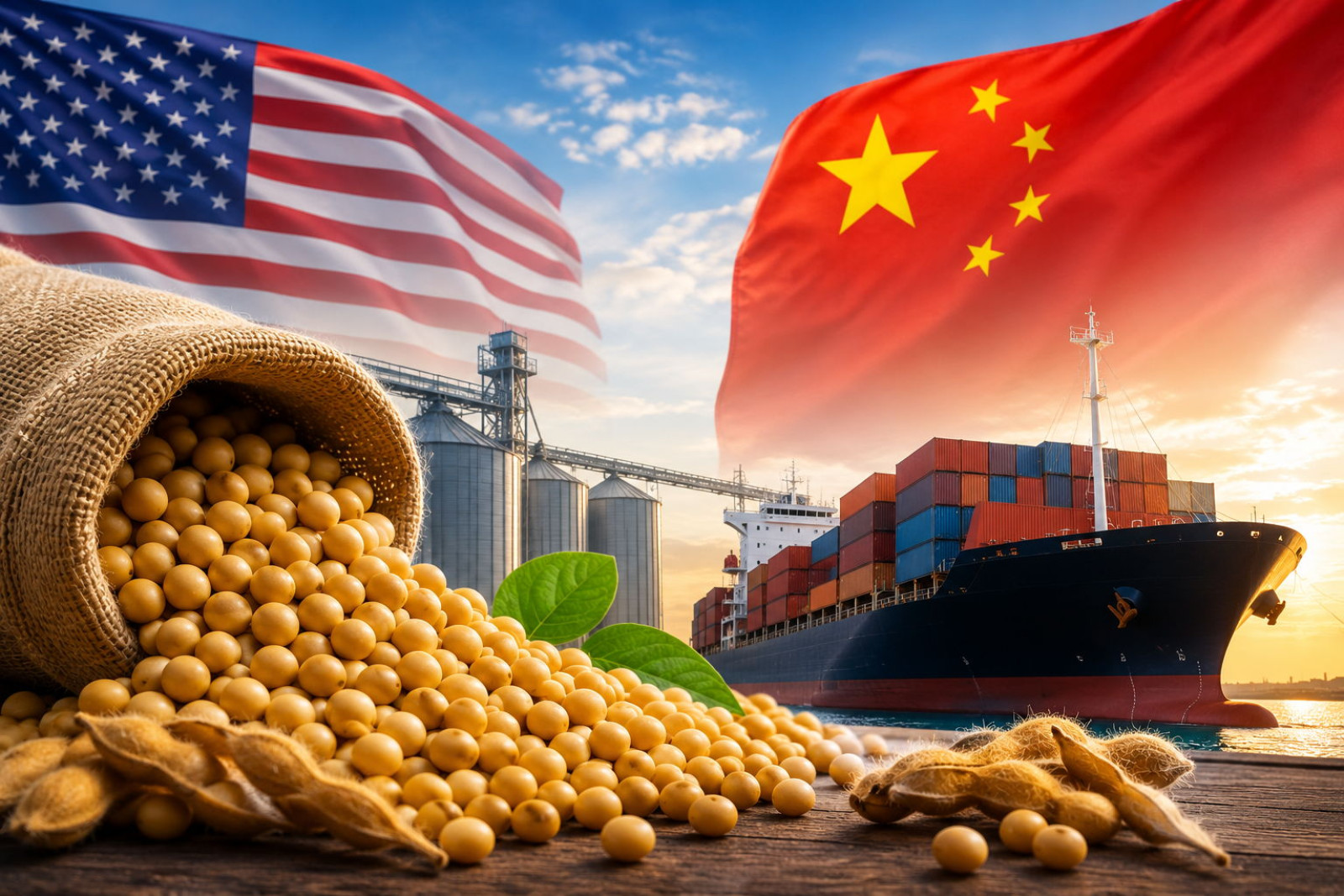
The volume itself is modest relative to China’s annual imports. More important is that it follows several larger transactions after months of weak U.S. sales to the country.
Chinese Orders Are Adding Up
Chinese buying of U.S. soybeans picked up in July. Buyers purchased at least six to seven U.S. cargoes totaling roughly 330,000 metric tons in early July. USDA subsequently reported another 472,000-ton sale to China, then the largest daily confirmed transaction since November 2025.
Purchases continued into August. Chinese state traders reportedly booked another 14–16 cargoes totaling around 1 million tons, alongside nearly 500,000 tons of additional sales confirmed by USDA.
The new 244,000-ton order extends that sequence rather than standing as a one-off purchase. That matters because China can absorb volumes few other individual markets can match. Several weeks of large orders can materially change U.S. export expectations even if each transaction has limited impact by itself.
The Year-Over-Year Gap Is Still Large
The recent buying follows a weak season for U.S. soybean exports. As of July 16, U.S. soybean export commitments for the 2025/26 marketing year were about 41.4 million metric tons, down 18.5% from a year earlier.
Sales to China showed a much larger decline. Chinese commitments stood near 12.4 million tons, approximately 45% below the previous year. Recent orders therefore represent a recovery from a low base rather than a return to last year’s trade volumes.
However, additional Chinese demand has an outsized effect. Higher exports reduce the amount of soybeans left in domestic inventories and can lower projected ending stocks. That relationship makes USDA's next export reports increasingly relevant for soybean futures.
Brazil Still Sets the Price
Brazil remains the main supplier competing with the United States for Chinese demand. Brazilian soybeans have been competitive on price, while tariffs increase the cost of U.S. beans for Chinese importers. That has limited purchases by private crushers even as state-owned companies increased orders from the United States.
The distinction between state and private buying is important. If most new purchases continue to come from state traders, trade commitments may be playing a significant role in the flows. Broader purchases by commercial crushers would provide stronger evidence that U.S. soybeans are becoming competitive on economics as well.
Brazilian pricing, Chinese crushing margins and the tariff structure will determine how far that shift can go.
The Next Sales Will Matter More Than This One
The 244,000-ton sale represents roughly 9 million bushels of soybeans. It is not enough on its own to materially alter the U.S. supply outlook. Combined with recent transactions, the picture is different.
USDA had already confirmed about 2 million tons of U.S. soybean sales to China by July 20. By early August, Chinese purchases had climbed above 4 million tons during the year, with buying accelerating sharply over a relatively short period.
Another 244,000 tons pushes the total higher. The market now has a clearer number to watch: not the size of this individual transaction, but whether large Chinese orders continue through the remainder of the U.S. export window. If they do, U.S. export forecasts and ending-stock estimates may need to move. If purchases slow again, the July-August surge will have done little to erase the large year-over-year decline.
For U.S. soybean exporters, 244,000 tons is another piece of a recovery that still needs considerably more volume.
 Marina Lubimova