Marina Lubimova
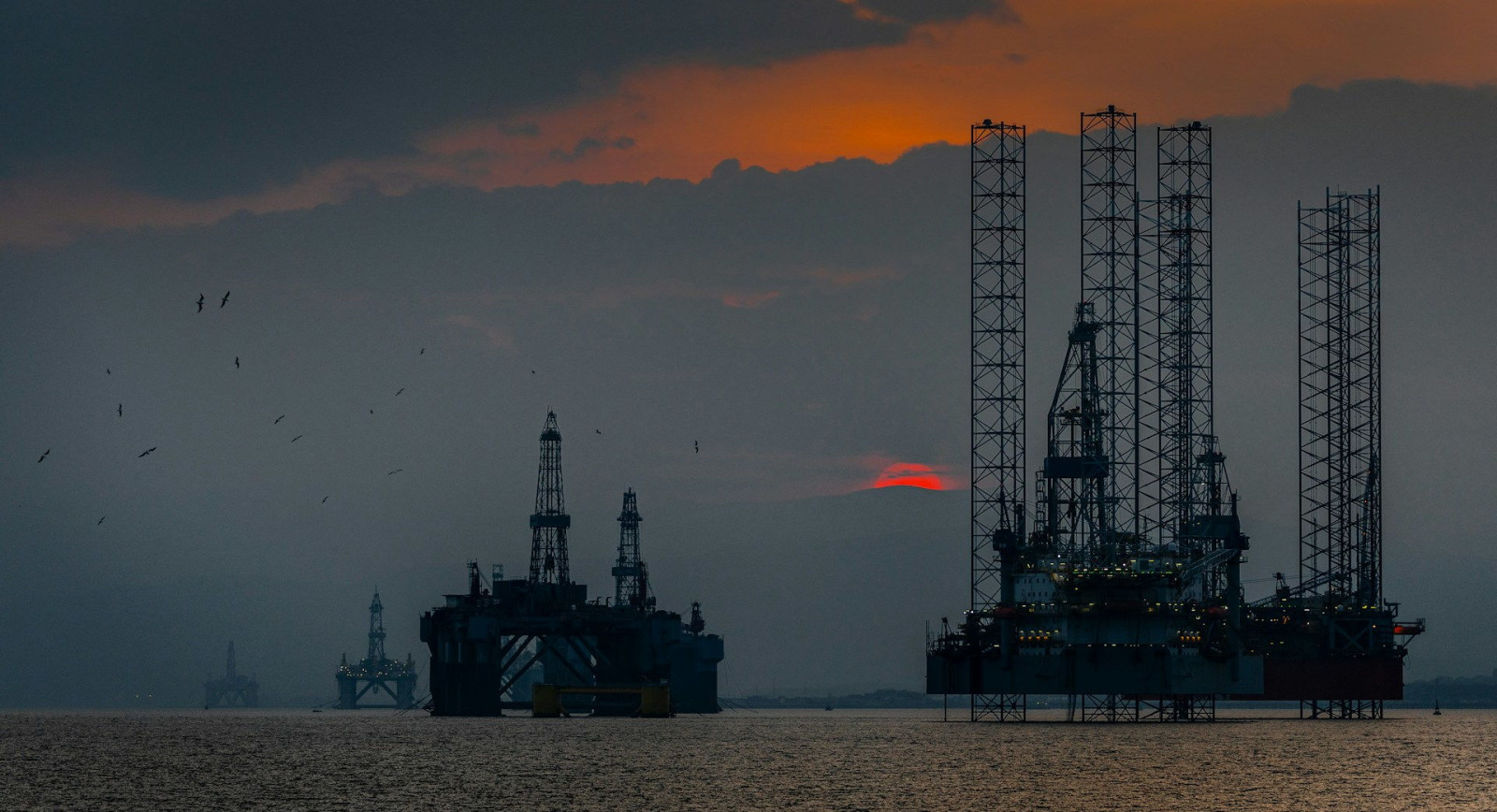
The speed of the decline highlights how much of oil's recent rally was driven not by physical shortages, but by expectations of what could happen. The latest selloff isn't a verdict on global demand. It's a vote on the odds of a wider Middle East conflict.
For several weeks, oil prices carried an additional premium tied to the risk of military escalation around the Strait of Hormuz. Traders priced in scenarios that included disrupted tanker traffic, reduced exports from the Gulf, and a broader regional conflict.
As diplomatic signals improved, those scenarios became less likely. Markets responded by removing part of that premium almost immediately.
| Event | Market Reaction |
| Escalating geopolitical tensions | Oil rallies |
| Diplomatic progress | Risk premium unwinds |
| WTI intraday move | −4.5% |
Why prices can fall faster than they rise
Risk premiums rarely disappear gradually. When markets begin pricing geopolitical threats, investors buy protection over days or even weeks. Once the probability of disruption declines, those same positions are often unwound within hours.
That dynamic explains why oil is falling despite little change in the physical market. Production remains largely intact, shipping routes continue operating, and global inventories have not materially tightened.
Instead, attention has shifted back to fundamentals:
- increasing OPEC+ supply;
- softer global demand growth;
- stable physical exports;
- comfortable inventory levels.
Oil rarely trades on today's supply. It trades on tomorrow's fears. When those fears fade, prices can fall much faster than they rose.
Hormuz still matters
The selloff does not mean geopolitical risk has disappeared. Roughly 20% of global oil consumption moves through the Strait of Hormuz. Any attack on shipping, closure of the waterway, or renewed military escalation could quickly restore the premium that has just been erased.
Markets are no longer pricing the worst-case scenario, but they have not ruled it out.
The most expensive barrel of oil is the one priced during uncertainty. Once markets begin to see a path away from conflict, that premium evaporates surprisingly quickly.
Oil Risk Premium Cycle
Geopolitical Tensions → Supply Risk Increases → Risk Premium Builds → Diplomatic Progress → Premium Unwinds → Oil Prices Decline
Winners and losers
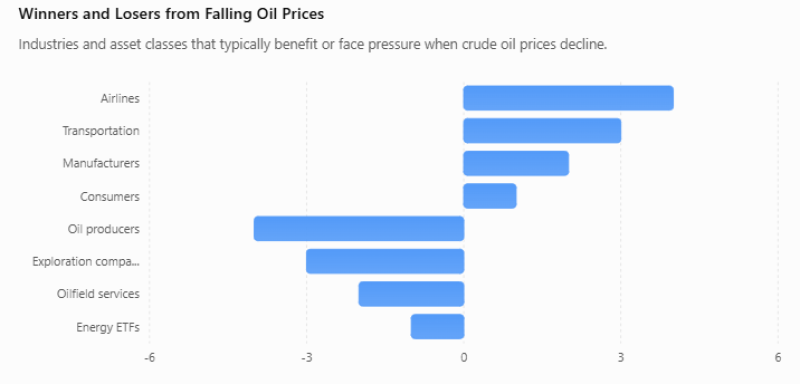
Lower crude prices ripple through financial markets almost immediately. Airlines, logistics companies, manufacturers and fuel-intensive industries benefit from lower input costs. Energy producers face the opposite dynamic, as weaker oil prices typically translate into lower revenue and softer earnings expectations.
The next move depends on headlines
Oil is once again trading on politics rather than production. Inventory reports, refinery runs and demand forecasts remain important, but they are secondary while geopolitical risk dominates market psychology. A single military incident or a new diplomatic breakthrough could move crude prices by several percentage points in a single session.
Every percentage point erased from oil today represents confidence returning to the market. Whether that confidence is justified remains the billion-dollar question.
The current decline is best understood as the market removing insurance against a supply shock — not as evidence that the world suddenly needs less oil.
 Marina Lubimova