Marina Lubimova
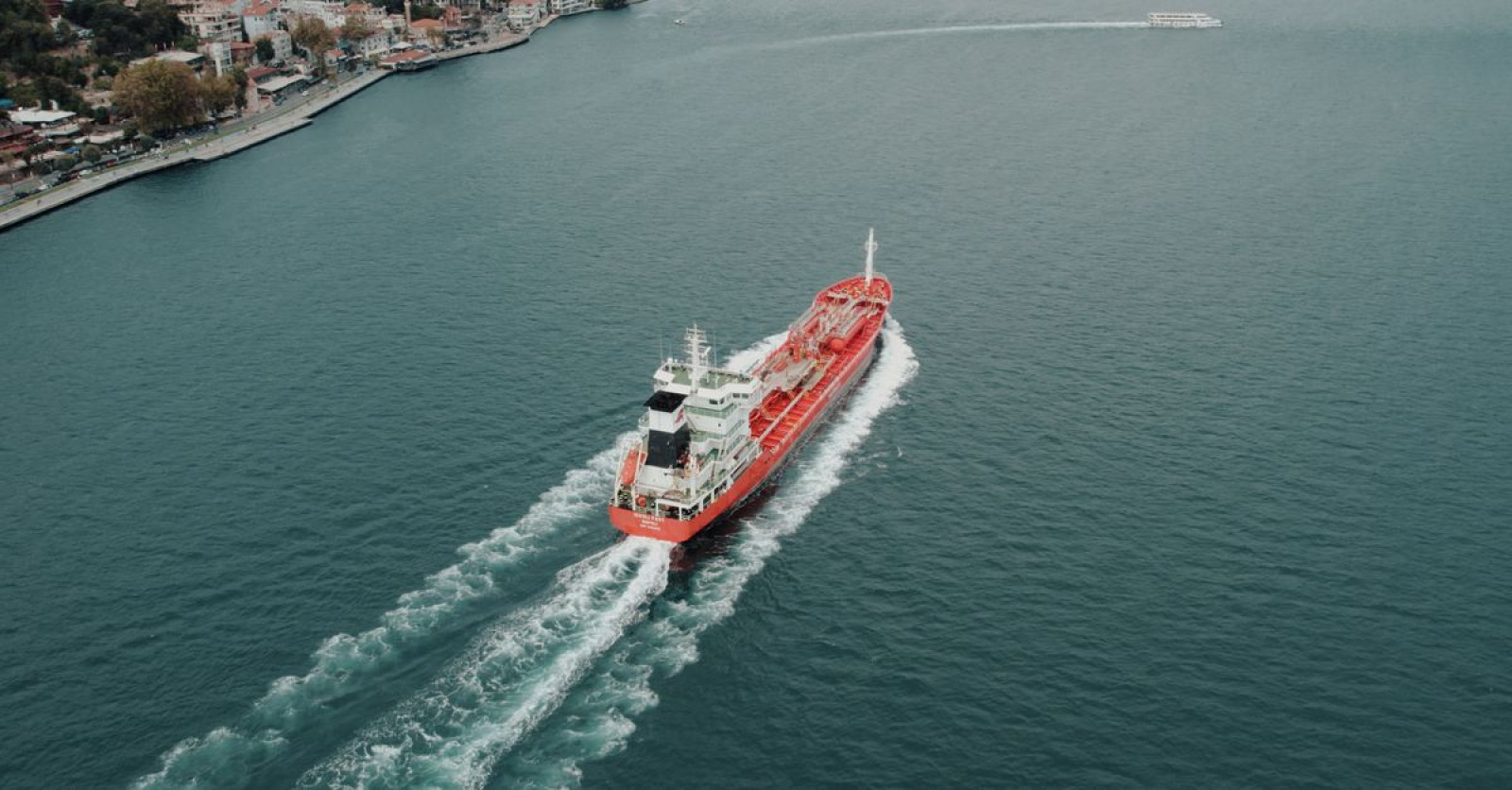
The key issue is the Strait of Hormuz, one of the world's most important oil shipping routes. A prolonged disruption can restrict global crude flows and add a geopolitical premium to oil prices.
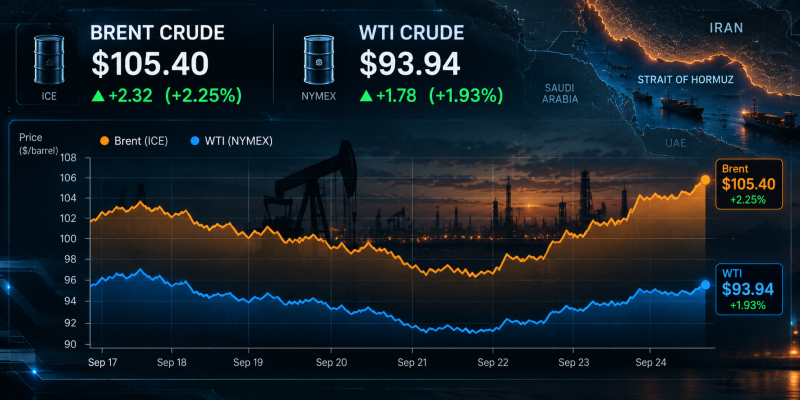
Brent Has More at Stake in Hormuz
Brent and WTI have different exposure to Middle Eastern supply disruptions:
| Benchmark | Main exposure | Hormuz sensitivity |
| Brent | Global seaborne crude | Higher |
| WTI | U.S. crude market | Lower |
Brent typically carries a larger geopolitical premium because international crude flows are more directly exposed to disruptions in the Persian Gulf.
Brent retains a larger geopolitical and sea-route premium because international crude is more directly exposed to Middle East and Hormuz disruption.
Four Signals the Oil Market Is Watching
The next move in crude prices largely depends on four factors:
- U.S.-Iran negotiations: progress could remove part of the geopolitical premium.
- Strait of Hormuz traffic: continued restrictions increase physical supply risk.
- Alternative export routes: pipelines bypassing Hormuz can partially offset disrupted tanker flows.
- U.S. crude inventories: rising stocks can limit WTI gains even when global supply risks remain high.
The current rally highlights an important feature of the oil market: crude can rise even when U.S. inventories are increasing if the risk to future global supply becomes large enough.
The price of Brent crude oil is sensitive to events that include Iran and the Strait of Hormuz - those occurrences are more significant than temporary shifts in the amount of fuel stored within the United States. It is because those geopolitical events impact the international trade of oil transported by ships on the ocean.
 Marina Lubimova