Marina Lubimova
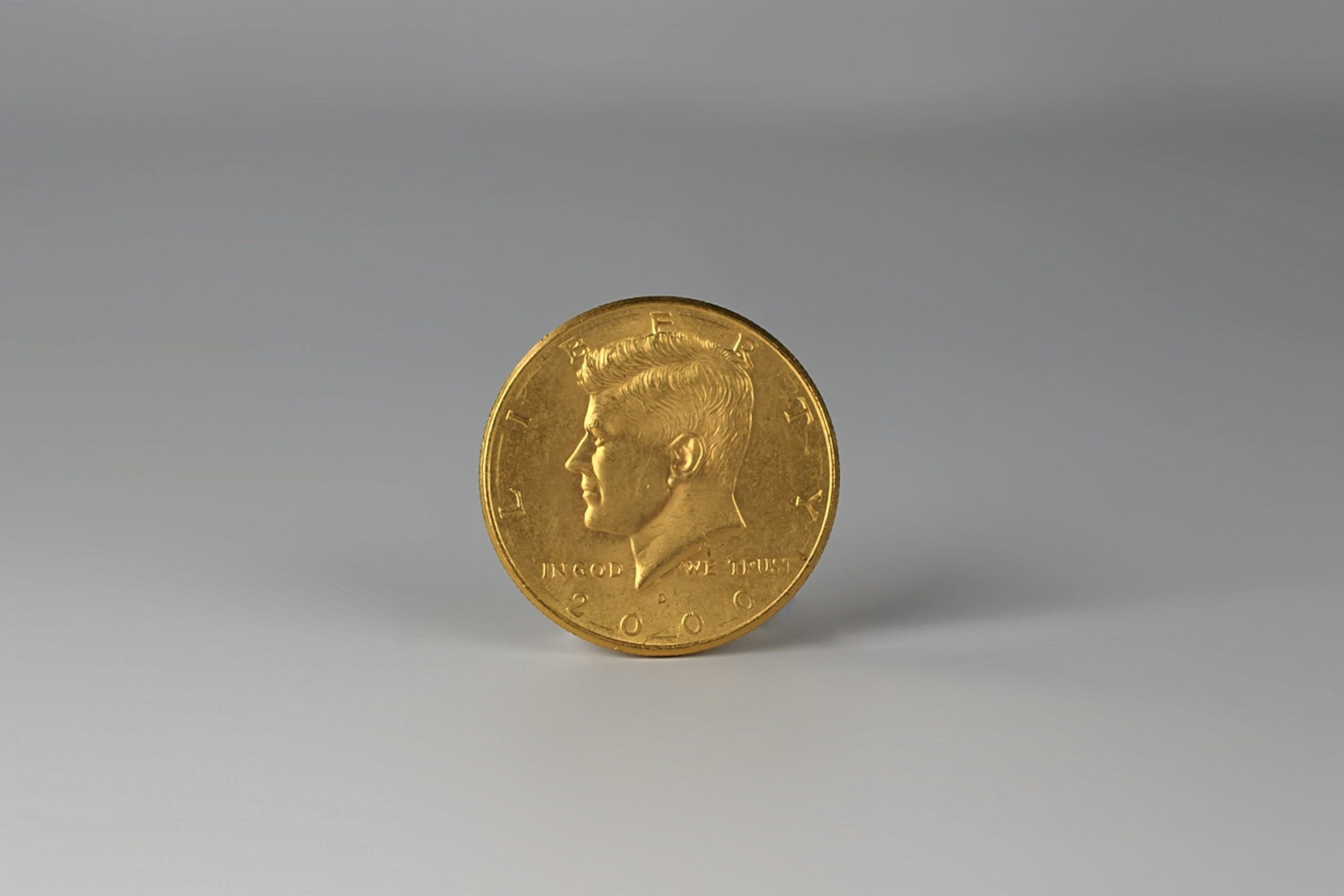
Treasury Secretary Scott Bessent confirmed that the U.S. Mint has begun striking the coin at its Philadelphia facility. The coin carries a $1 denomination and a gold-colored finish. Its obverse features Trump's portrait together with the inscriptions "LIBERTY," "IN GOD WE TRUST," and "1776–2026," while the reverse displays the Great Seal of the United States and the denomination "ONE DOLLAR."
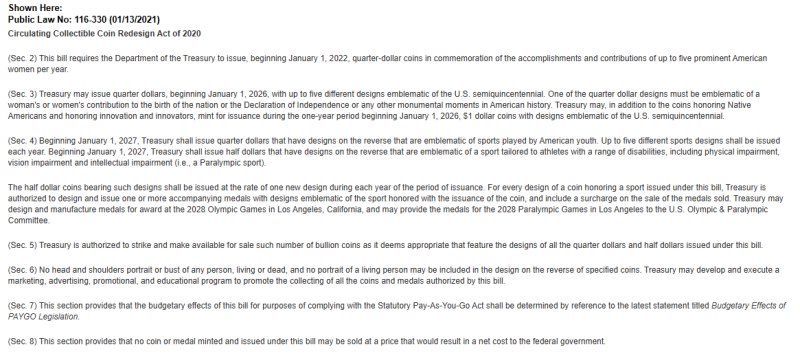
The legal debate stems from the Circulating Collectible Coin Redesign Act of 2020 (Public Law 116-330), which authorizes the Treasury to issue commemorative quarter dollars and $1 coins celebrating the U.S. Semiquincentennial beginning on January 1, 2026.
The legislation also includes a design restriction:
No head and shoulders portrait or bust of any person, living or dead, and no portrait of a living person may be included in the design on the reverse of specified coins.
The same law authorizes the Treasury to produce bullion versions of the commemorative coins and requires that the program not create a net cost for the federal government.
The wording has become the centerpiece of the current discussion. The restriction explicitly applies to portraits on the reverse of the covered coins, while Trump's image appears on the obverse. Whether that distinction fully satisfies both the language and the intent of the law is expected to remain a subject of legal and numismatic debate.
Questions have also been raised about the approval process. Reports indicate that the bipartisan Citizens Coinage Advisory Committee (CCAC) did not support designs featuring the sitting president. Some members argued that placing a living president on official U.S. coinage departs from long-established design principles, while others questioned whether the proposal was consistent with existing federal law.
Treasury officials maintain that the commemorative program follows the required approval process. Earlier this year, the U.S. Commission of Fine Arts approved the concept as part of the broader Semiquincentennial coin initiative, allowing production to move forward.
Although the coin has a face value of $1, it is expected to be marketed primarily as a commemorative collectible rather than as circulating currency. Interest is likely to come from coin collectors, history enthusiasts, and supporters of President Trump, making demand less dependent on its denomination than on its historical and political significance.
The launch has already moved beyond a typical numismatic release. Regardless of how many coins are ultimately sold, the program is likely to be remembered as a test of how existing U.S. coinage law applies to commemorative designs featuring a sitting president.
 Marina Lubimova