Artem Voloskovets
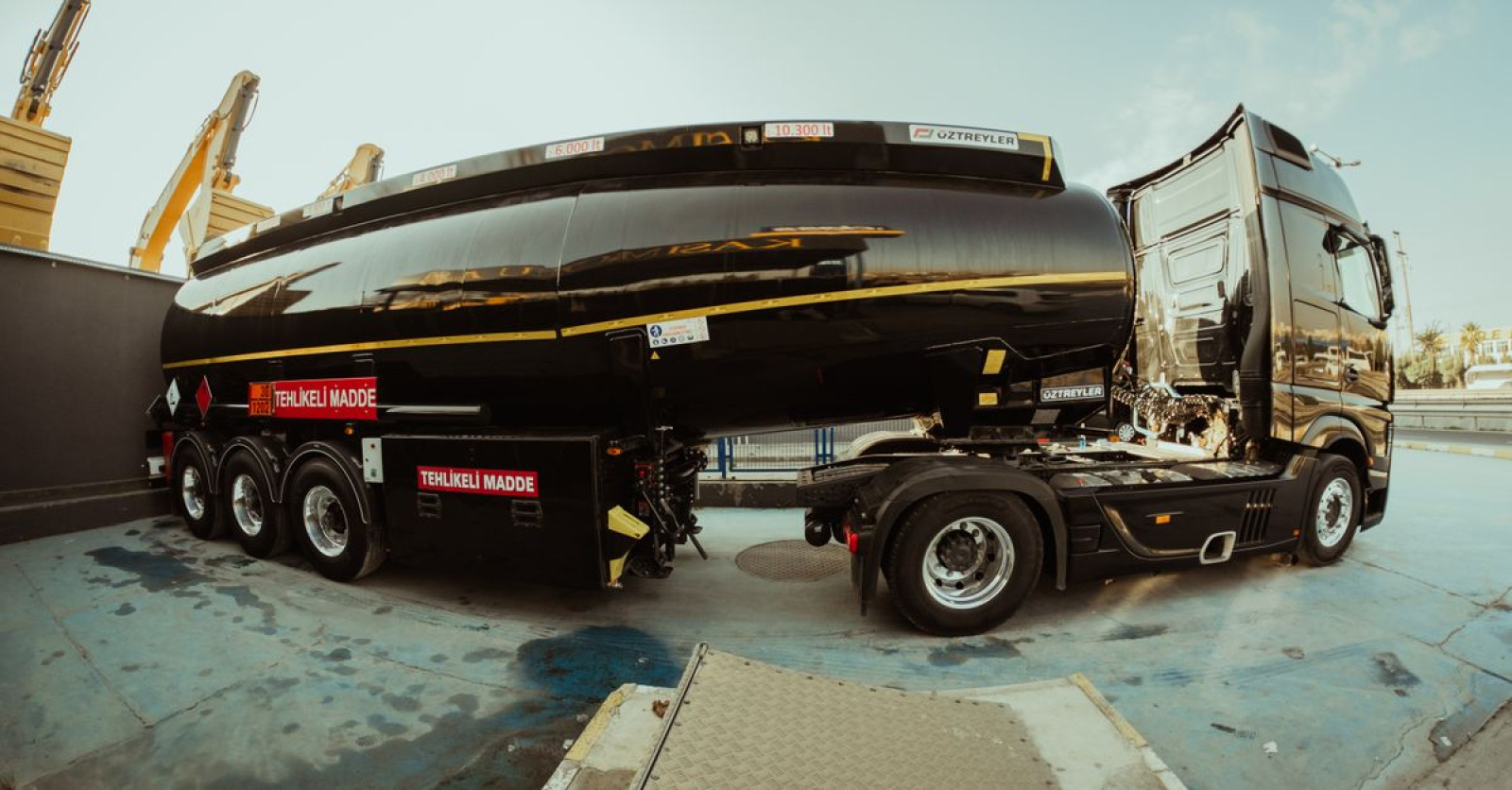
U.S. diesel exports have increased sharply in 2026, partially replacing supplies lost because of disruptions in Russia and the Middle East. Capital Economics estimates that additional U.S. shipments have offset roughly half of the global supply losses.
U.S. diesel exports
| Metric | Previous level | 2026 level |
| U.S. distillate exports | ~1.2–1.3M b/d | 1.61M b/d on Sept. 11 |
| Monthly exports | 1.23M b/d in Jan. | 1.66M b/d in May |
| Gulf Coast exports | 1.09M b/d in Jan. | 1.48M b/d in May |
| Full export-ban impact | — | ~30% of seaborne diesel supply |
EIA data show U.S. distillate exports rising from 1.23 million barrels per day in January to 1.66 million b/d in May, an increase of about 34%.
Weekly exports reached 1.94 million b/d in August and stood at 1.61 million b/d in the week ending September 11.
Why Europe and Latin America Are Exposed
Europe is already dealing with reduced Russian supply. Northwest European 10 ppm diesel reached $1,642.25 per metric ton on September 15, while Mediterranean diesel hit $1,664.75/mt.
Latin America is heavily dependent on U.S. refined-product shipments. Mexico was the largest destination for U.S. transportation-fuel exports in 2025.
Higher U.S. exports have replaced roughly half of the diesel supply lost from Russia and disruptions related to the Iran war.
Removing those barrels would force importers to compete for a smaller pool of cargoes from other refining hubs.
Diesel Prices Are Already Elevated
U.S. Gulf Coast ultra-low-sulfur diesel reached a record $5.18 per gallon on September 15, before falling to $4.91/gal on September 18.
That was roughly 77% higher than before the latest Middle East supply disruptions. A full export ban could create opposite effects across markets: more diesel would remain in the U.S., potentially reducing domestic prices, while Europe and Latin America would face tighter supply and higher import costs.
Current supply chain:
Russia/Middle East disruptions → higher U.S. exports → replacement global supply
With an export ban:
Russia/Middle East disruptions → U.S. barrels removed → ~30% less seaborne diesel supply → higher global prices
The key figure is 30%. With U.S. exports currently acting as a replacement for disrupted Russian and Middle Eastern supply, a ban would remove one of the largest remaining sources of diesel available to international buyers.
 Artem Voloskovets