Artem Voloskovets

To protect the domestic economy during significant interruptions in supply, the government built the US Strategic Petroleum Reserve. By observing recent releases, it is possible to see that this function is evolving.
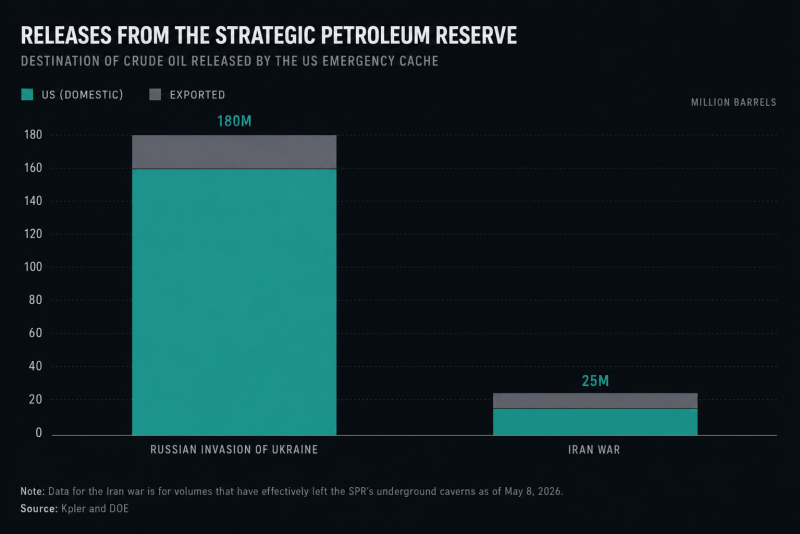
When Russia invaded Ukraine, the US released approximately 180 million barrels from the SPR. As Washington attempted to limit the cost of fuel and the rate of inflation, most of that oil remained within the domestic market.
But the current conflict involving Iran is different in nature.
In this instance release volumes are smaller at approximately 25 million barrels. And a higher percentage of the oil is for export instead of for domestic use. Due to the way the US oil market has changed since the increase in shale production, this shift is occurring.
It is no longer the case that the United States is only a major consumer of oil. There is also the fact that it is one of the largest exporters of crude oil in the world. If SPR barrels enter commercial pipelines, they are part of the global market. To reach the refining and trading routes where demand is highest, the oil moves through those networks.
And the comparison between the two crises is informative.
Because Russia invaded Ukraine, there were immediate concerns that a large scale interruption in supply would affect Europe and global shipping markets. To reflect that urgent situation, the SPR response was large.
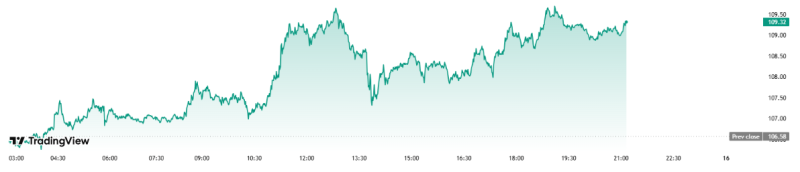
For the Iran conflict, the treatment is more limited at this time. Oil prices are higher but markets are not setting prices based on a severe global interruption in supply.
On the chart a broader reality is visible - strategic reserves are no longer operating within a system that is only national. Even when oil is for emergencies, it flows through global trade networks rather than remaining within domestic borders.
 Artem Voloskovets