Artem Voloskovets

The Dow Jones Industrial Average rose 929 points, the S&P 500 gained 1.75%, and the Nasdaq climbed 2.53%. The reaction was driven less by politics than by the removal of a specific economic risk.
Why Markets Watch the Strait of Hormuz
The Strait of Hormuz is one of the world's most important energy routes. U.S. Energy Information Administration (EIA) report, 20.5 million barrels of crude oil and petroleum products moved through the strait each day during the first half of 2023. That is roughly 20% of global petroleum consumption.
The route also handled 10.8 billion cubic feet of LNG per day.
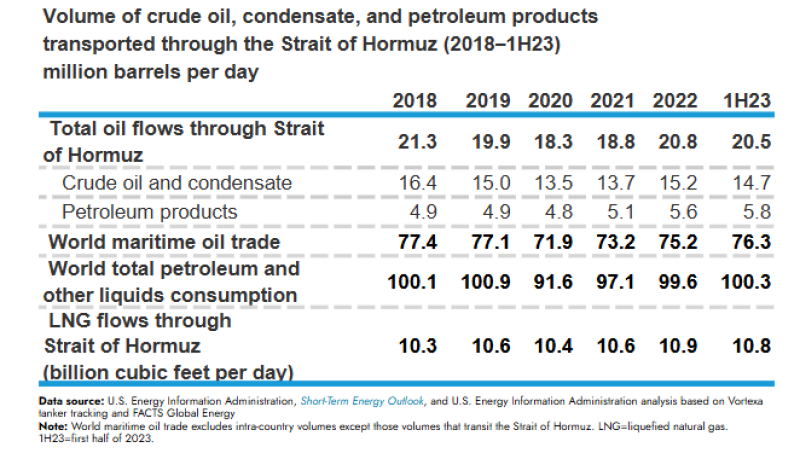
Any disruption to traffic through Hormuz can affect fuel prices, shipping costs, industrial production, and inflation. That possibility was one of the main concerns behind the market's recent volatility.
The Economic Chain Reaction
The market response followed a simple sequence.
- Lower risk of military escalation.
- Lower risk of disruptions in Hormuz.
- Lower probability of an oil price spike.
- Reduced inflation pressure.
- Improved outlook for economic activity.
The cancellation of the strikes removed a potential supply shock from market calculations. Oil prices dropped as traders reduced the geopolitical premium that had built into energy markets during the escalation.
Where Hormuz Energy Flows
The EIA data shows how dependent the global economy remains on this corridor. China is the largest destination for crude oil passing through the strait, followed by India, Japan, South Korea, and Europe. On the supply side, Saudi Arabia, Iraq, the UAE, Kuwait, and Iran account for most of the exports moving through the route.
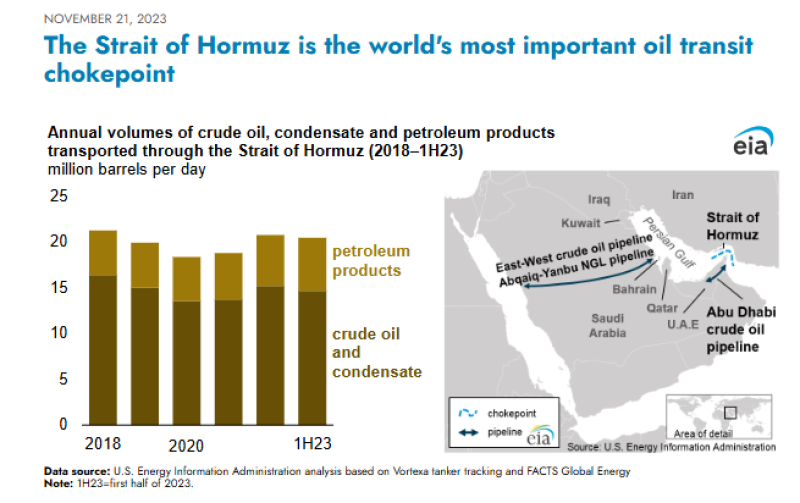
A disruption in the region would not remain a regional issue. It would affect energy consumers, manufacturers, airlines, and logistics networks across multiple continents.
Stocks Responded Immediately
As tensions eased, investors moved back into equities. The Nasdaq led gains with a 2.53% increase, while the Dow advanced 1.86% and the S&P 500 added 1.75%. The rebound followed a session in which major indexes had fallen more than 1%.
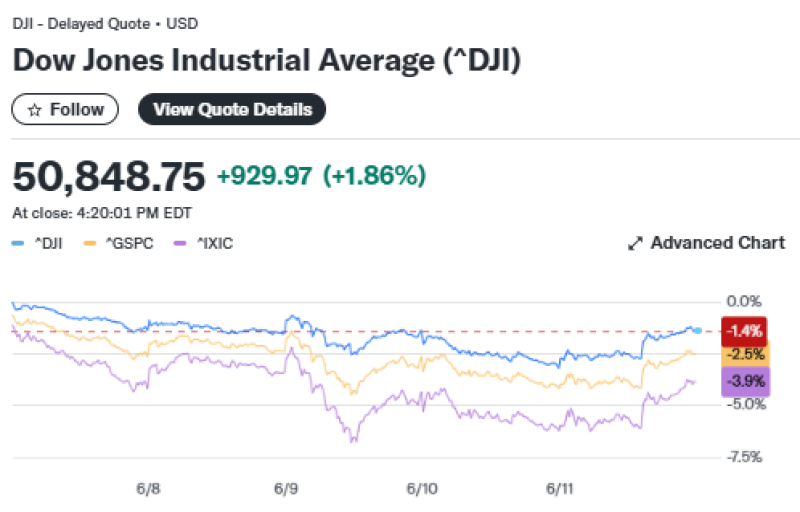
The Dow Jones rose 1.86%, the S&P 500 gained 1.75%, and the Nasdaq advanced 2.53% after concerns over immediate military escalation eased. Technology stocks outperformed as lower energy prices and reduced geopolitical uncertainty improved expectations for growth-sensitive sectors.
 Artem Voloskovets