Marina Lubimova
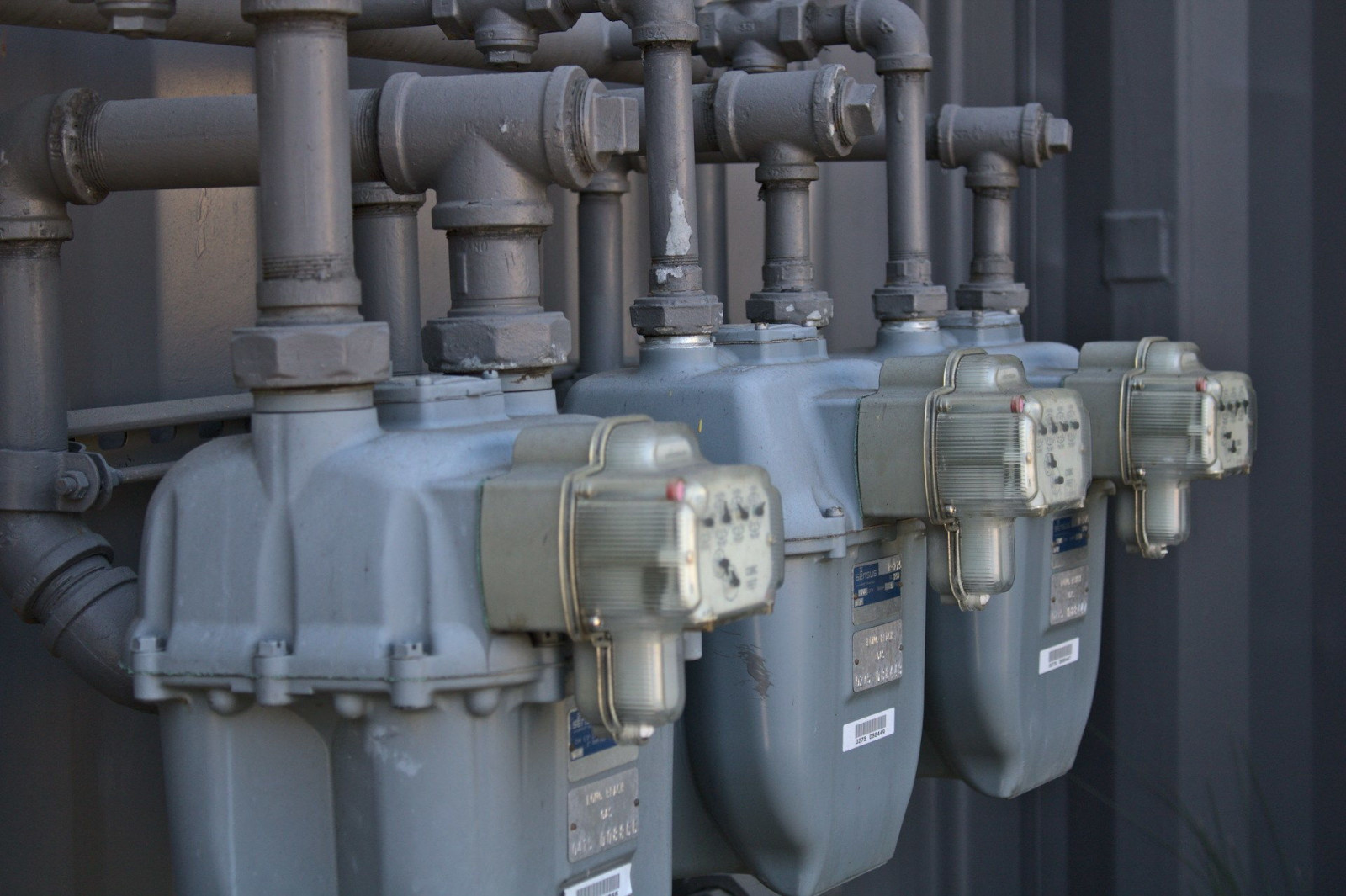
The rise reflects growing concern that Europe is entering the second half of the storage season with little margin for unexpected supply disruptions. Although prices remain far below the peaks of 2022, they are still well above the levels that prevailed before the energy crisis.
Storage Is No Longer Providing Comfort
The market is increasingly reacting to storage data rather than current consumption. Inventories are being replenished more slowly than last year, leaving traders more sensitive to any event that could tighten supply before winter.
Current market conditions include:
- Dutch TTF futures briefly reached €55.39/MWh, up 5.7%.
- European storage levels remain below their typical seasonal trajectory.
- Asian buyers continue competing aggressively for LNG cargoes.
- Hot weather is supporting gas-fired electricity demand across Europe.
None of these factors alone creates a shortage. Together, they reduce the buffer the market relies on during periods of uncertainty.
€55/MWh Changes the Economics
Gas prices near €55/MWh are nowhere close to the crisis highs above €300/MWh, but they are still roughly twice the average seen before 2021.
That price level matters because natural gas continues to set electricity prices across much of Europe. Higher wholesale gas costs feed directly into:
- electricity prices,
- industrial production costs,
- inflation,
- operating margins for energy-intensive manufacturers.
If prices remain elevated through autumn, European industry will once again face higher input costs just as winter demand begins to rise.
Europe Now Competes With the Entire World
The structure of Europe's gas market has fundamentally changed.
Russian pipeline deliveries have largely been replaced by LNG imports, tying European prices much more closely to global supply and demand. Instead of depending mainly on regional pipeline flows, traders now watch worldwide LNG movements.
The biggest drivers have become:
- LNG demand in Asia,
- availability of export cargoes,
- maintenance at liquefaction facilities,
- shipping constraints,
- geopolitical tensions affecting global energy trade.
As a result, price swings increasingly originate outside Europe rather than within it.
The Indicators That Matter Next
Whether this rally continues will depend less on today's prices than on how quickly supply risks ease.
| Indicator | Market Impact |
| Storage refill pace | Faster injections reduce winter risk |
| LNG arrivals | Higher imports improve supply balance |
| Asian LNG demand | Strong demand diverts cargoes from Europe |
| Weather | Heat and early cold increase gas consumption |
| Geopolitical developments | The largest source of price volatility |
Bottom Line
The move to €55.39/MWh is another reminder that Europe's gas market has become structurally more volatile. The continent has largely solved its dependence on Russian pipeline gas, but it has replaced that dependence with exposure to the global LNG market.
That shift means prices are increasingly determined by worldwide competition for cargoes rather than regional supply alone. As long as storage remains below comfortable levels and LNG markets stay tight, European gas prices are likely to react sharply to even modest changes in supply expectations.
 Marina Lubimova