Marina Lubimova
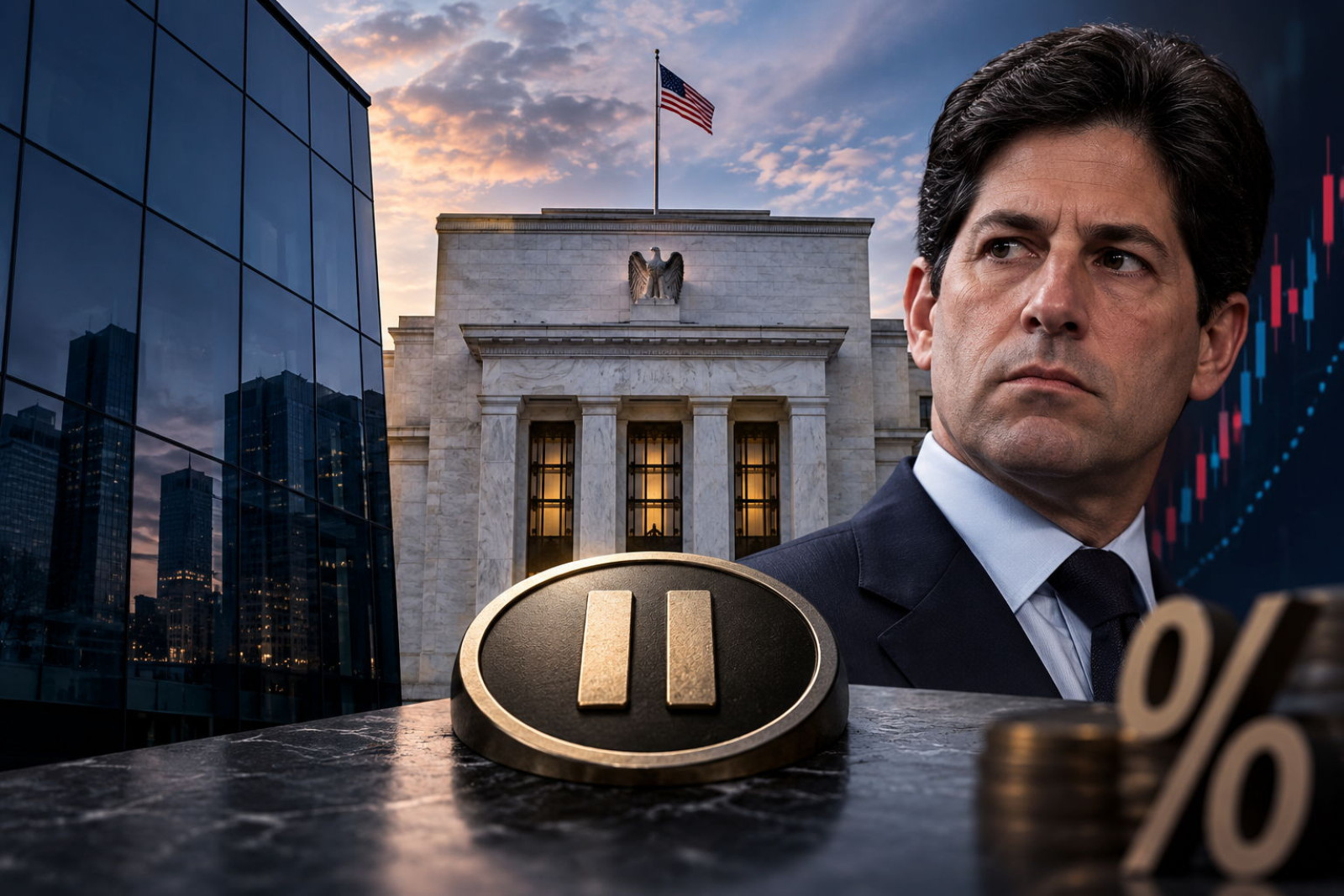
The bank believes incoming inflation data should remain moderate enough to justify patience rather than an immediate return to tightening.
Inflation Outlook Supports a Hold
Morgan Stanley forecasts:
| Indicator | Forecast |
| August core CPI, MoM | +0.23% |
| August core PCE, MoM | +0.20% |
| Revised annual core PCE | ~3.1% |
| Previous core PCE estimate | ~3.3% |
| Fed inflation target | 2.0% |
A 0.20% monthly increase in core PCE corresponds to an annualized pace of roughly 2.4%, substantially below the current year-over-year rate.
Historical PCE revisions could also improve the inflation picture by lowering annual core inflation to approximately 3.1% from 3.3%. Together, these figures would give the Fed room to remain on hold while assessing whether disinflation is becoming sustained.
Warsh Keeps Tightening on the Table
Warsh’s Jackson Hole speech emphasized that inflation remains above the Fed’s 2% target and that policymakers need stronger evidence that price pressures are easing.
Morgan Stanley does not view the hawkish tone as a commitment to raise rates at the next meeting. Instead, the rhetoric allows the Fed to keep tightening as an option if inflation proves more persistent than expected. The distinction is important: a hawkish bias can coexist with unchanged rates.
What Could Change the Outlook
The main risk to Morgan Stanley’s forecast is an upside inflation surprise. Stronger-than-expected CPI or PCE data would suggest that price pressures remain persistent and could strengthen the case for another rate increase. Readings broadly in line with the bank’s forecasts would favor an extended pause.
As a result, incoming inflation data, not the tone of Jackson Hole, will be the decisive factor for the next policy move.
Bottom Line
Morgan Stanley sees Jackson Hole as a warning against premature expectations of monetary easing rather than a signal of an imminent rate hike. If inflation develops broadly as the bank expects, the Fed has little reason to tighten immediately. It can keep policy restrictive, wait for additional evidence and respond only if price pressures begin accelerating again.
The key question for markets is therefore shifting from “Will the Fed hike next?” to “How long will rates stay restrictive?”
 Marina Lubimova