Artem Voloskovets
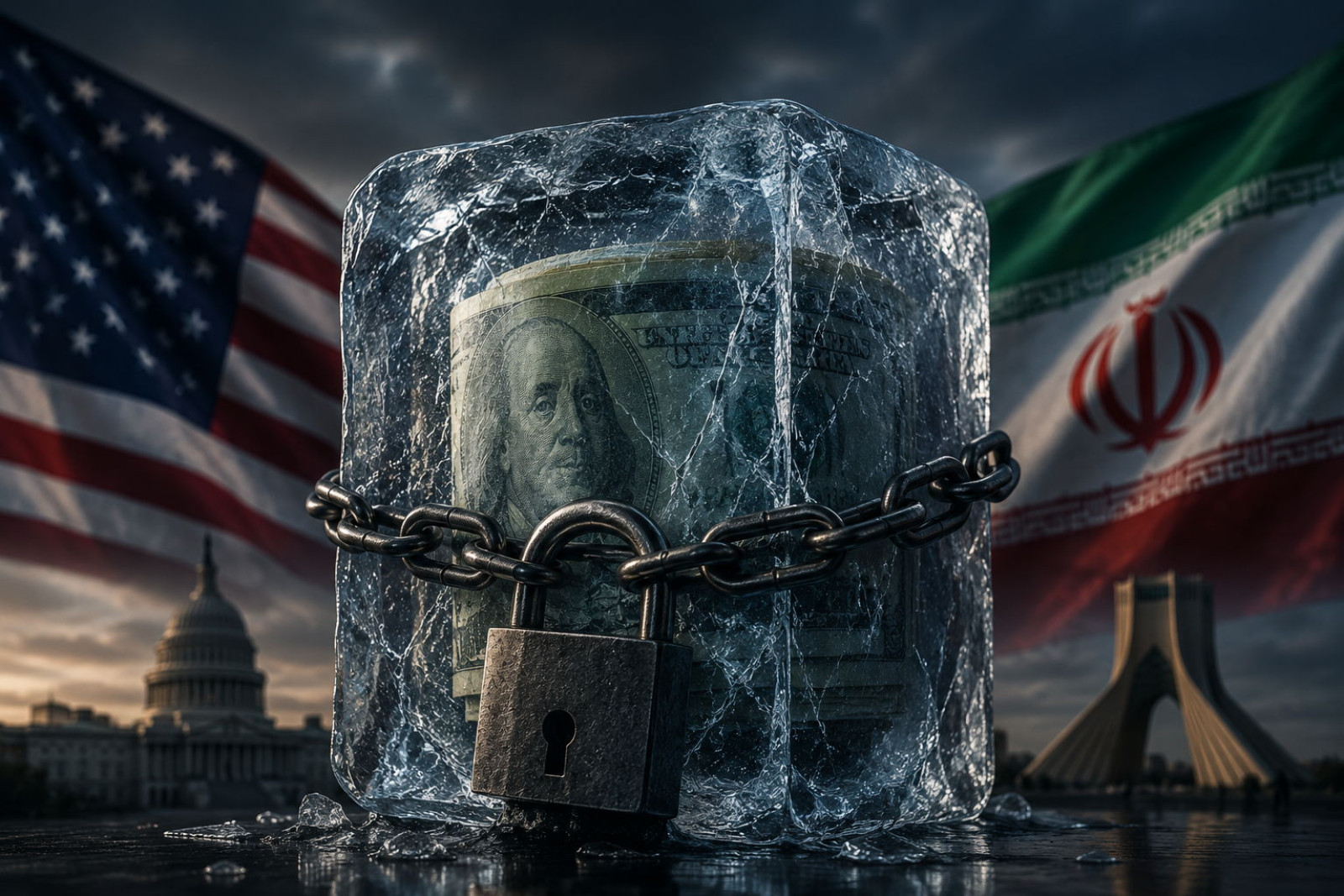
The decision highlights a broader reality: the humanitarian channel has become a bargaining tool rather than an operational mechanism.
A Deal That Exists Only on Paper
The arrangement was designed to keep the funds outside Iran's direct control. Instead of transferring cash to Tehran, the money would finance approved purchases of food, medicine, and medical equipment through tightly supervised accounts.
Legally, the mechanism exists. Operationally, it has never been activated.
No payments have been authorized, no humanitarian transactions have been processed, and the entire balance remains frozen.
Compliance Before Access
Washington's position is straightforward: access follows implementation, not promises. Releasing the funds before Iran satisfies the agreed conditions would weaken one of the few remaining sources of economic leverage while offering no guarantee of reciprocal action. That approach turns the humanitarian account into a conditional incentive rather than immediate sanctions relief.
Negotiating Power Still Matters
For Tehran, the unused funds provide little practical benefit despite their intended humanitarian purpose.
For Washington, the opposite is true. Keeping the assets frozen preserves negotiating leverage without introducing new sanctions or escalating military pressure. The result is a mechanism that serves diplomatic strategy more than humanitarian trade.

The Sequencing Problem
The dispute reflects a familiar pattern in U.S.-Iran negotiations. Iran argues that economic relief should come first to demonstrate American commitment. The United States insists that compliance must precede any financial access. As long as neither side is willing to move first, even narrowly targeted humanitarian arrangements remain stalled.
Outlook
The $6 billion account was presented as a limited humanitarian exception within the broader sanctions framework. Instead, it has evolved into another point of leverage in the U.S.-Iran relationship. Until the disagreement over implementation is resolved, the funds are likely to remain exactly where they are available in theory, inaccessible in practice.
 Artem Voloskovets