Artem Voloskovets

White House economic adviser Kevin Hassett said the proposal is "one idea" under discussion rather than a finalized policy. Even so, markets are treating the possibility seriously because Hormuz is a critical artery for global energy exports. Any additional cost imposed on cargo moving through the strait would ripple far beyond the shipping industry.
Oil Is Already Reflecting Higher Risk
Energy traders responded before any policy was announced. Brent crude climbed to $85.27 per barrel, rising $1.96, or 2.35%, according to the TradingView chart provided. The move reflects growing concern that shipping through Hormuz could become more expensive, increasing the cost of transporting crude and refined fuels.
Unlike physical supply disruptions, pricing often changes as soon as markets begin factoring in future risks. The discussion surrounding a cargo fee has therefore added another geopolitical premium to oil.
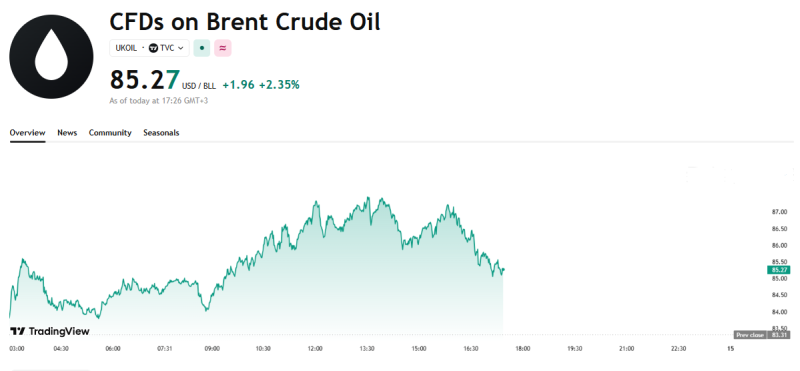
If transportation costs continue rising, refiners, airlines and industrial consumers would all face higher input costs, increasing pressure on fuel prices worldwide.
Freight Rates Leave Little Room for Additional Costs
Shipping companies are entering this debate from a position of already elevated transport costs.
The latest Drewry World Container Index shows average freight rates approaching $4,600 per 40-foot container, more than doubling from levels below $2,000 seen earlier in the period. The trend illustrates that global logistics had already become significantly more expensive before the Hormuz proposal emerged.
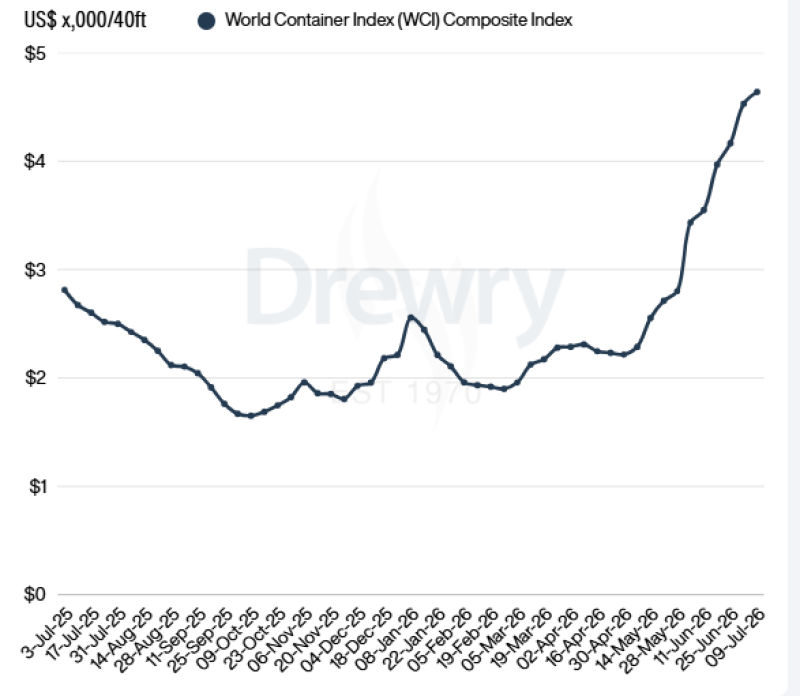
A new transit fee would add another expense on top of freight, insurance and fuel costs. Carriers would likely pass much of that increase to importers, eventually feeding into consumer prices.
Why the Strait Matters
The Strait of Hormuz handles one of the largest concentrations of global energy shipments.
A significant portion of internationally traded crude oil and liquefied natural gas moves through the narrow passage each day, making it one of the world's most strategically important maritime chokepoints. Any measure that raises the cost of using this route has the potential to affect energy markets well beyond the Middle East.
Unlike import tariffs, a shipping fee would increase costs before cargo reaches its destination, spreading the impact across multiple economies simultaneously.
Industry Opposition Emerges Quickly
Major shipping companies have questioned both the economic logic and the legal precedent behind the proposal.
Hapag-Lloyd said charging commercial vessels for using an international strait would be "fundamentally wrong," arguing that freedom of navigation should not depend on transit payments. The company warned that such a policy could encourage similar charges at other strategic waterways.
The International Maritime Organization has likewise reiterated that international straits should remain open without transit fees, citing established maritime principles.
The Inflation Question
The immediate issue is not whether the proposal becomes policy, but how markets adjust before that decision is made. Oil has already moved above $85 per barrel, while container freight rates have climbed to roughly $4,600 per FEU. Those two trends alone point to increasing costs across global supply chains.
If a cargo fee were eventually introduced, transportation, insurance and energy expenses would rise together, extending cost pressures from commodity markets to manufacturers, retailers and consumers.
Whether or not the proposal advances, investors have already received a reminder that geopolitical decisions can quickly translate into higher freight rates, more expensive energy and renewed inflation risks.
 Artem Voloskovets