Marina Lubimova
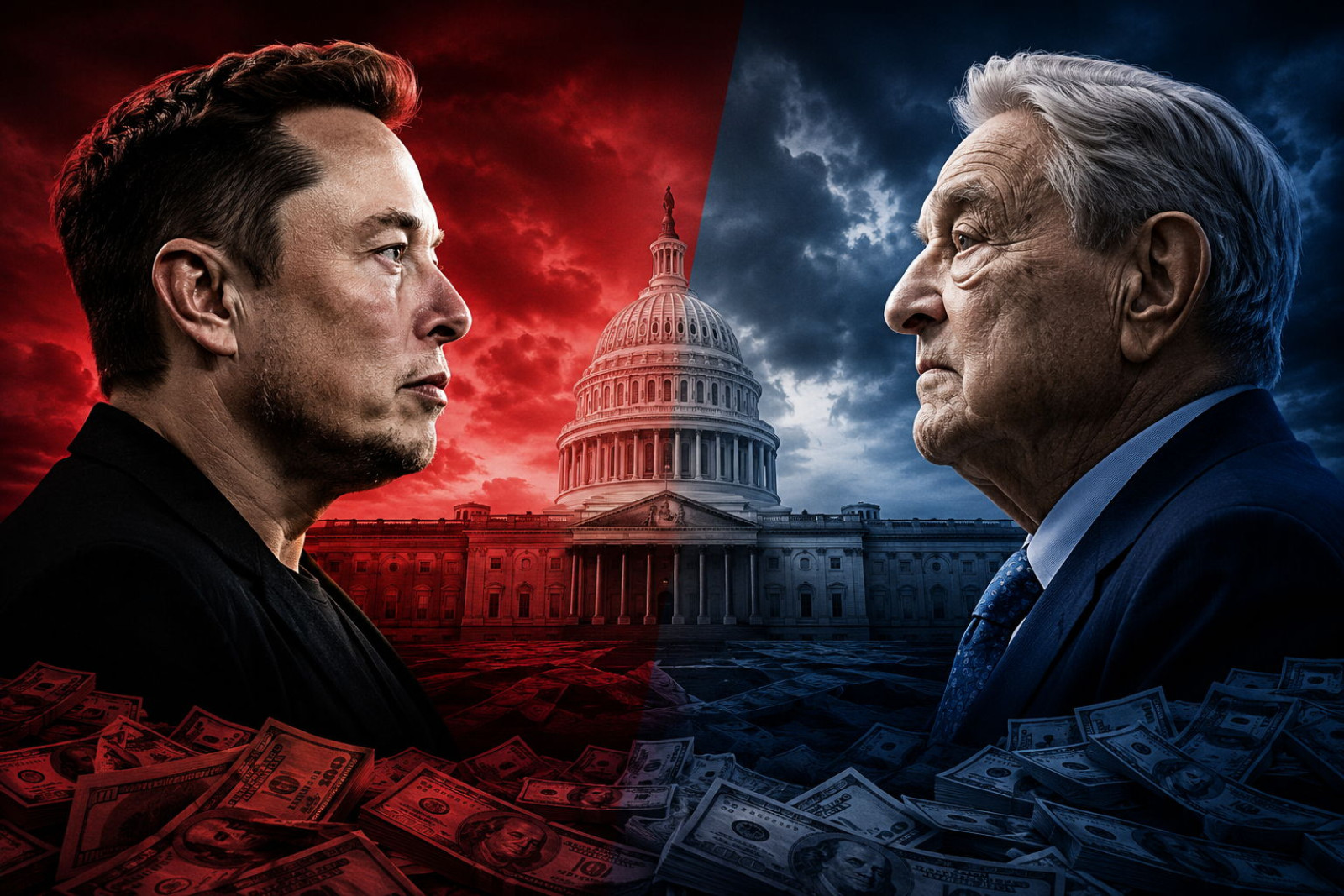
Democratic organizations are following the same path. George Soros-linked groups have reportedly directed about $100 million toward Democratic efforts during the current election cycle. Together, these figures illustrate how early financial commitments are becoming a strategic weapon long before Election Day.
Money Buys Time
Political spending is most valuable before campaigns reach full speed. Early funding allows parties to hire staff, build voter databases, secure advertising, launch digital campaigns, and organize ground operations months ahead of competitors. By the time most voters begin paying attention, much of the campaign infrastructure has already been built.
This is where large donors create their biggest advantage, not by changing votes directly, but by helping shape the environment in which campaigns compete.
Musk's Investment Is Bigger Than a Donation
Elon Musk's political role has expanded rapidly over the past two years. His influence is no longer limited to social media posts or public endorsements. Financial backing of this size places him among the most significant private supporters of the Republican campaign apparatus heading into the 2026 midterms.
The investment also reinforces Musk's growing identity as a political figure whose influence extends well beyond the technology sector.
Democrats Operate the Same Playbook
Republicans are not alone in relying on wealthy supporters. For decades, Democratic campaigns have benefited from major contributions by high-net-worth donors, with George Soros remaining one of the party's best-known financial backers. The result is a political landscape where both parties criticize billionaire influence while simultaneously depending on it to remain competitive.
Elections Are Becoming Capital-Intensive
Running a modern national campaign requires far more than television commercials. Campaigns finance data analytics, polling, legal teams, digital advertising, fundraising technology, voter outreach, litigation, and volunteer networks across dozens of competitive districts. Costs continue to rise with every election cycle, making large private donations increasingly valuable.
As campaigns become more expensive, access to capital becomes a strategic advantage rather than simply an accounting figure.

What To Watch Next
The headline numbers themselves are only the starting point. The more important question is where the money will be deployed. Competitive House districts, Senate battlegrounds, turnout operations, and digital persuasion campaigns are likely to receive the largest share of outside spending.
Those investments often have a greater impact than national advertising because they concentrate resources where margins are smallest.
 Marina Lubimova